

Hey there! As a PBT yarn supplier, I often get asked about the differences between PBT yarn and acrylic yarn. So, I thought I'd write this blog to clear up any confusion and help you understand which yarn might be the best fit for your needs.
What's PBT Yarn Anyway?
PBT stands for Polybutylene Terephthalate. It's a type of synthetic fiber that's made from a polymer. PBT yarn has some really cool properties. First off, it's super stretchy. You know how some clothes lose their shape after a few wears? Well, PBT yarn doesn't have that problem. It can stretch and then bounce back to its original shape, which makes it great for things like sportswear and swimsuits.
Another awesome thing about PBT yarn is its durability. It can withstand a lot of wear and tear, so products made from it last a long time. And it's resistant to chemicals and UV rays, which means it won't fade easily when exposed to the sun or harsh cleaning agents.
We offer a variety of PBT yarn products, like Polyester Poy Yarn 41dtex/72filament, Polybutylene Terephthalate Recycle Yarn, and Modified PBT (imitation Nylon) Sweater Dty High Stretch Yarn. These are all high - quality options for different applications.

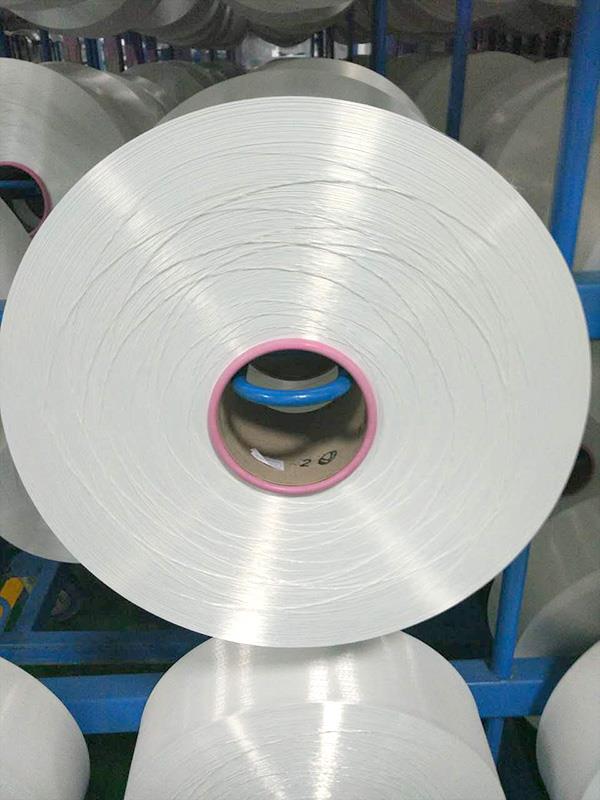
All About Acrylic Yarn
Acrylic yarn is also a synthetic fiber, but it's made from polyacrylonitrile. It's known for being a great alternative to wool. It's soft and fluffy, just like wool, but it's much cheaper and easier to care for.
One of the big advantages of acrylic yarn is its affordability. If you're on a budget or making a large project, acrylic yarn can be a great choice. It comes in a wide range of colors, so you can find exactly what you need for your creative projects.
Acrylic yarn is also easy to care for. It doesn't shrink when washed, and it dries quickly. This makes it a popular choice for things like blankets, scarves, and baby clothes.
Differences in Physical Properties
Stretch and Recovery
As I mentioned earlier, PBT yarn has excellent stretch and recovery properties. It can stretch up to 300% of its original length and then go back to its normal shape without any issues. On the other hand, acrylic yarn has some stretch, but it's not as elastic as PBT yarn. Once it's stretched, it may not fully recover its original shape, which can lead to sagging over time.
Softness
Acrylic yarn is really soft, almost like wool. It feels great against the skin, which is why it's often used for clothing that will be in direct contact with the body. PBT yarn can also be soft, but it doesn't have that same fluffy, wool - like feel. However, the softness of PBT yarn can vary depending on how it's processed.
Durability
PBT yarn is more durable than acrylic yarn. It can handle more stress and strain without breaking or fraying. Acrylic yarn is fairly strong, but it can start to pill and wear out more quickly, especially if it's used in high - friction areas.
Differences in Chemical Resistance
Resistance to UV Rays
PBT yarn has good resistance to UV rays. This means that products made from PBT yarn won't fade or degrade easily when exposed to sunlight. Acrylic yarn, on the other hand, can fade over time when it's in direct sunlight for long periods.
Resistance to Chemicals
PBT yarn is resistant to many chemicals, including some common cleaning agents. This makes it easy to clean and maintain. Acrylic yarn is also resistant to some chemicals, but it's not as durable as PBT yarn when it comes to harsh chemicals.
Differences in Cost
Acrylic yarn is generally cheaper than PBT yarn. This is because the raw materials for acrylic yarn are less expensive, and the production process is also more cost - effective. If you're working on a project with a tight budget, acrylic yarn might be the way to go. But if you're looking for a high - quality, long - lasting product, the extra cost of PBT yarn might be worth it.
Applications
PBT Yarn Applications
- Sportswear: Its stretch and recovery properties make it ideal for sportswear like leggings, shorts, and swimsuits. The durability ensures that the clothes can withstand the rigors of physical activity.
- Industrial Use: PBT yarn is also used in some industrial applications, such as in the production of conveyor belts and filters, because of its strength and chemical resistance.
Acrylic Yarn Applications
- Knitting and Crocheting: It's a popular choice for knitting and crocheting projects like blankets, hats, and scarves. Its softness and affordability make it accessible to hobbyists.
- Home Decor: Acrylic yarn can be used to make decorative items like pillows and wall hangings.
Which One Should You Choose?
The choice between PBT yarn and acrylic yarn depends on your specific needs. If you need a yarn with high stretch, durability, and chemical resistance, then PBT yarn is the better option. It's great for functional and long - lasting products.
If you're on a budget, looking for a soft and easy - to - care - for yarn for creative projects, or need a wool substitute, then acrylic yarn is a good choice.
Contact Us for Your Yarn Needs
If you're interested in purchasing PBT yarn for your business or project, I'd love to hear from you. Whether you need more information about our products or want to discuss a custom order, don't hesitate to reach out. We're here to help you find the perfect yarn for your needs.
References
- Textile Fibre Science by R. S. Blackburn
- The Complete Photo Guide to Knitting by Stephanie Pearl - McPhee