

As a supplier of PA66 yarn, I've witnessed firsthand the profound impact that the fineness of PA66 yarn can have on its performance. In this blog, I'll delve into the relationship between the fineness of PA66 yarn and its various performance aspects, offering insights for those in the textile and related industries.
Understanding PA66 Yarn and Its Fineness
PA66, also known as nylon 66, is a synthetic polymer widely used in the production of yarns. It is valued for its high strength, good abrasion resistance, and excellent elasticity. The fineness of PA66 yarn refers to the linear density of the yarn, which is typically measured in denier (D) or tex. Denier represents the weight in grams of 9,000 meters of yarn, while tex is the weight in grams of 1,000 meters of yarn. A lower denier or tex value indicates a finer yarn, while a higher value means a coarser yarn.
Impact on Strength and Tensile Properties
One of the most significant ways in which the fineness of PA66 yarn affects its performance is in terms of strength and tensile properties. Generally, finer PA66 yarns have a lower overall strength compared to coarser yarns. This is because finer yarns have fewer filaments or a smaller cross - sectional area, which means there are fewer polymer chains to bear the load.
However, finer yarns can offer advantages in certain applications. For example, in applications where a high degree of flexibility and a soft hand feel are required, such as in some types of lingerie or high - end sportswear, the slightly lower strength of finer yarns can be acceptable. On the other hand, coarser PA66 yarns are often used in applications that demand high strength, such as industrial sewing threads, conveyor belts, and heavy - duty fabrics. Our NYLON66 SEWING THREAD is available in different finenesses to meet the diverse strength requirements of various sewing applications.
Abrasion Resistance
Abrasion resistance is another crucial performance factor affected by the fineness of PA66 yarn. Coarser yarns typically have better abrasion resistance than finer yarns. The larger cross - sectional area and more substantial structure of coarser yarns make them more resistant to wear and tear. In applications where the yarn will be subjected to significant friction, such as in workwear, upholstery, or automotive interiors, coarser PA66 yarns are often the preferred choice.
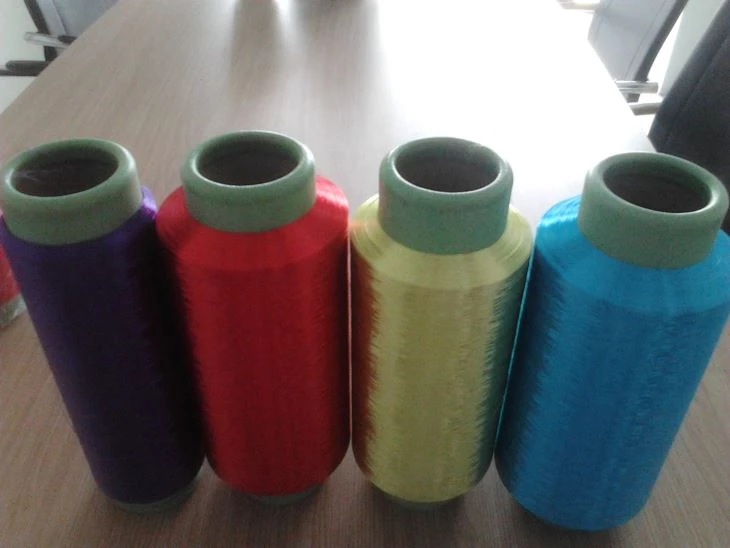

Finer yarns, while having lower abrasion resistance, can be used in applications where the risk of abrasion is relatively low. For instance, in delicate clothing items or decorative textiles, the aesthetic appeal and softness of finer yarns may outweigh the need for high abrasion resistance.
Flexibility and Drape
The fineness of PA66 yarn has a direct impact on its flexibility and drape. Finer yarns are more flexible and have a better drape compared to coarser yarns. This is because finer yarns are lighter and more pliable, allowing them to conform to different shapes and movements more easily.
In the fashion industry, this property is highly valued. Designers often use finer PA66 yarns to create garments with a fluid and elegant drape, such as evening gowns, scarves, and lightweight blouses. Our Nylon Filament Dope Dyed Yarn 20D /12F,40D/12F/2PLY, 70D/24F/2PLY in finer deniers is suitable for such applications, providing both colorfastness and excellent drape.
Absorbency and Moisture Management
PA66 yarn has relatively low absorbency compared to natural fibers like cotton. However, the fineness of the yarn can still influence its moisture - management properties. Finer yarns have a larger surface area per unit weight, which means they can absorb and release moisture more quickly than coarser yarns.
This property is beneficial in sportswear and activewear, where quick moisture wicking is essential to keep the wearer dry and comfortable. Finer PA66 yarns can help to transfer sweat away from the body more efficiently, reducing the risk of chafing and discomfort during physical activities.
Aesthetic Appearance
The fineness of PA66 yarn also plays a vital role in its aesthetic appearance. Finer yarns can create a smoother, more refined surface on fabrics. They are often used in applications where a high - quality, luxurious look is desired, such as in high - end fashion and home textiles.
Coarser yarns, on the other hand, can give fabrics a more rugged and textured appearance. This can be suitable for applications like outdoor clothing, rustic home decor, or industrial - style fashion. Our Nylon6 Dope Dyed DTY AND FDY Yarn for socks, cloth, fabric and so on comes in different finenesses, allowing for a wide range of aesthetic possibilities in various textile products.
Processing and Manufacturing Considerations
The fineness of PA66 yarn can also affect the processing and manufacturing of textiles. Finer yarns require more precise handling during spinning, weaving, or knitting processes. They are more prone to breakage and entanglement, which can increase production costs and reduce efficiency.
Coarser yarns, on the other hand, are generally easier to process. They are more robust and less likely to break during manufacturing, making them a more cost - effective choice for large - scale production. However, the choice between finer and coarser yarns ultimately depends on the specific requirements of the end - product.
Conclusion
In conclusion, the fineness of PA66 yarn has a far - reaching impact on its performance in terms of strength, abrasion resistance, flexibility, moisture management, aesthetic appearance, and processing. As a PA66 yarn supplier, we understand the importance of providing a wide range of fineness options to meet the diverse needs of our customers.
Whether you are a fashion designer looking for a fine, soft yarn for your next collection, an industrial manufacturer in need of a strong and abrasion - resistant yarn, or a sportswear brand seeking a moisture - wicking solution, we have the right PA66 yarn for you. We invite you to contact us to discuss your specific requirements and explore how our PA66 yarns can enhance the performance of your products.
References
- Morton, W. E., & Hearle, J. W. S. (1993). Physical Properties of Textile Fibres. Butterworth - Heinemann.
- Lewin, M., & Pearce, E. M. (Eds.). (1998). Handbook of Fiber Science and Technology, Volume III: High Technology Fibers, Part A. Marcel Dekker.