

Annex XIV of the REACH (Registration, Evaluation, Authorization and Restriction of Chemicals) regulation is a crucial part of the European Union's efforts to ensure the safe use of chemicals. As a supplier dealing with Annex XIV substances, I've witnessed firsthand how this regulation has a far - reaching impact on the rubber industry. In this blog, I will delve into the various ways Annex XIV affects the rubber industry and discuss some of the challenges and opportunities it presents.
Understanding Annex XIV
Annex XIV lists substances that are subject to authorization under the REACH regulation. These substances are classified as Substances of Very High Concern (SVHCs), which include carcinogens, mutagens, reproductive toxicants, persistent bioaccumulative and toxic substances (PBTs), and very persistent and very bioaccumulative substances (vPvBs). Companies that want to use these substances after a specific sunset date must apply for authorization from the European Chemicals Agency (ECHA).
Impact on Raw Material Sourcing
The rubber industry relies on a wide range of chemicals for various processes such as vulcanization, plasticization, and anti - aging. Many of these chemicals are listed in Annex XIV. As a supplier, I've seen that rubber manufacturers now have to be extremely cautious when sourcing raw materials. They need to ensure that the substances they use comply with the REACH regulations and are not on the Annex XIV list or, if they are, that they have the necessary authorization.
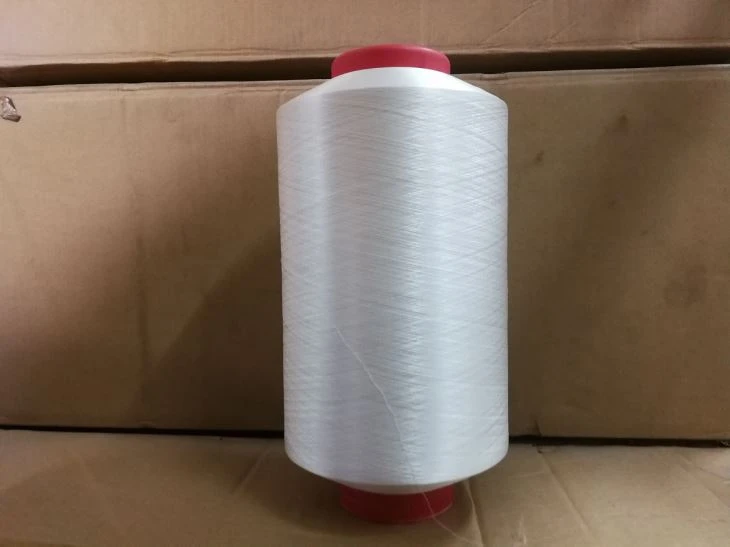

For example, some traditional vulcanizing agents and accelerators contain substances that are now considered SVHCs. Rubber manufacturers are forced to either find alternative substances or seek authorization if they want to continue using them. This has led to a shift in the raw material market, with an increased demand for non - Annex XIV compliant alternatives.
The search for alternatives can be a challenging process. It requires extensive research and development to find substances that can perform the same functions as the restricted ones without compromising the quality of the rubber products. Some of the alternative substances may also be more expensive, which can increase the production costs for rubber manufacturers.
Production Processes
Annex XIV also has a significant impact on the production processes in the rubber industry. With the restricted use of certain chemicals, manufacturers may need to modify their existing production processes. This could involve changing the temperature, pressure, or reaction times in the vulcanization process, for instance.
These process changes are not only costly but also time - consuming. Manufacturers need to conduct numerous tests to ensure that the new processes produce rubber products of the same quality as before. Moreover, the workers in the rubber factories need to be trained on the new processes to ensure their safety and the quality of the products.
Product Design and Innovation
The restrictions imposed by Annex XIV have spurred innovation in the rubber industry. Rubber manufacturers are now more focused on developing products that are free from SVHCs. This has led to the development of new types of rubber materials with improved environmental and safety profiles.
For example, some companies are now developing bio - based rubber materials that use renewable resources instead of traditional petrochemical - based substances. These bio - based rubbers are not only more environmentally friendly but also have the potential to reduce the industry's dependence on fossil fuels.
In addition, the need to comply with Annex XIV has also led to the development of new testing and certification methods. Rubber products now need to be tested more rigorously to ensure that they do not contain any SVHCs above the permitted levels. This has created a new market for testing and certification services.
Market Access and Competitiveness
In the European market, compliance with Annex XIV is a legal requirement for rubber products. Rubber manufacturers that fail to comply may face significant fines and may be banned from selling their products in the EU. This has made Annex XIV compliance a key factor in market access.
Moreover, as consumers become more environmentally conscious, there is an increasing demand for rubber products that are free from harmful chemicals. Rubber manufacturers that can demonstrate compliance with Annex XIV and offer environmentally friendly products are likely to have a competitive edge in the market.
However, the cost of compliance can be a barrier for small and medium - sized rubber manufacturers. They may not have the financial resources or technical expertise to conduct the necessary research and development to find alternative substances and modify their production processes. This could lead to a consolidation in the rubber industry, with larger companies having a greater market share.
Our Role as an Annex XIV Supplier
As an Annex XIV supplier, we play a crucial role in helping rubber manufacturers navigate the challenges posed by this regulation. We work closely with our customers to provide them with information about the substances we supply and their compliance status. We also assist them in finding alternative substances if the ones they currently use are on the Annex XIV list.
We are committed to providing high - quality products that meet the strictest environmental and safety standards. Our product portfolio includes a wide range of substances that are either not on the Annex XIV list or are authorized for use. For example, we offer Polyester Drawn Textured Yarn 7Denier And 9Denier, Cationic Dyeable Yarn For Seamless Clothing, and Core Spun Yarn With Wool 28S/2, which are all compliant with the relevant regulations.
Conclusion
Annex XIV has had a profound impact on the rubber industry. It has changed the way rubber manufacturers source raw materials, conduct their production processes, design their products, and access the market. While the regulation presents significant challenges, it also offers opportunities for innovation and growth in the industry.
As an Annex XIV supplier, we are dedicated to supporting our customers in their efforts to comply with the regulation. We believe that by working together, we can help the rubber industry become more sustainable and competitive in the global market.
If you are in the rubber industry and are looking for high - quality, compliant raw materials, we invite you to contact us for procurement discussions. We are ready to share our expertise and provide you with the best solutions for your business needs.
References
- European Chemicals Agency (ECHA). "REACH - Annex XIV."
- Various industry reports on the impact of REACH regulations on the rubber industry.