

What is the standard specification of PET Yarn?
As a PET yarn supplier, I've often been asked about the standard specifications of PET yarn. Understanding these specifications is crucial for both manufacturers and end - users, as it ensures that the yarn meets the required quality and performance criteria for various applications. In this blog, I'll delve into the key aspects of PET yarn specifications and how they impact the overall quality of the product.
Basic Physical Properties
The first set of specifications we need to consider are the basic physical properties of PET yarn. These include denier, filament count, and twist.
Denier is a unit of measurement that indicates the fineness of the yarn. It represents the weight in grams of 9,000 meters of yarn. A lower denier means a finer and lighter yarn, while a higher denier indicates a thicker and heavier one. For example, Polyester Fdy 30Denier/24filament is a relatively fine yarn suitable for applications where a lightweight and delicate fabric is required, such as in lingerie or high - end blouses.
Filament count refers to the number of individual filaments that make up the yarn. A higher filament count generally results in a smoother, more lustrous yarn with better drape. For instance, a yarn with 288 filaments will have a different feel and appearance compared to one with 24 filaments.
Twist is another important physical property. It is measured in turns per inch (TPI). The amount of twist affects the yarn's strength, elasticity, and appearance. A low - twist yarn will be softer and more pliable, while a high - twist yarn will be stronger and more resistant to abrasion. The appropriate twist level depends on the intended use of the yarn.
Color and Appearance
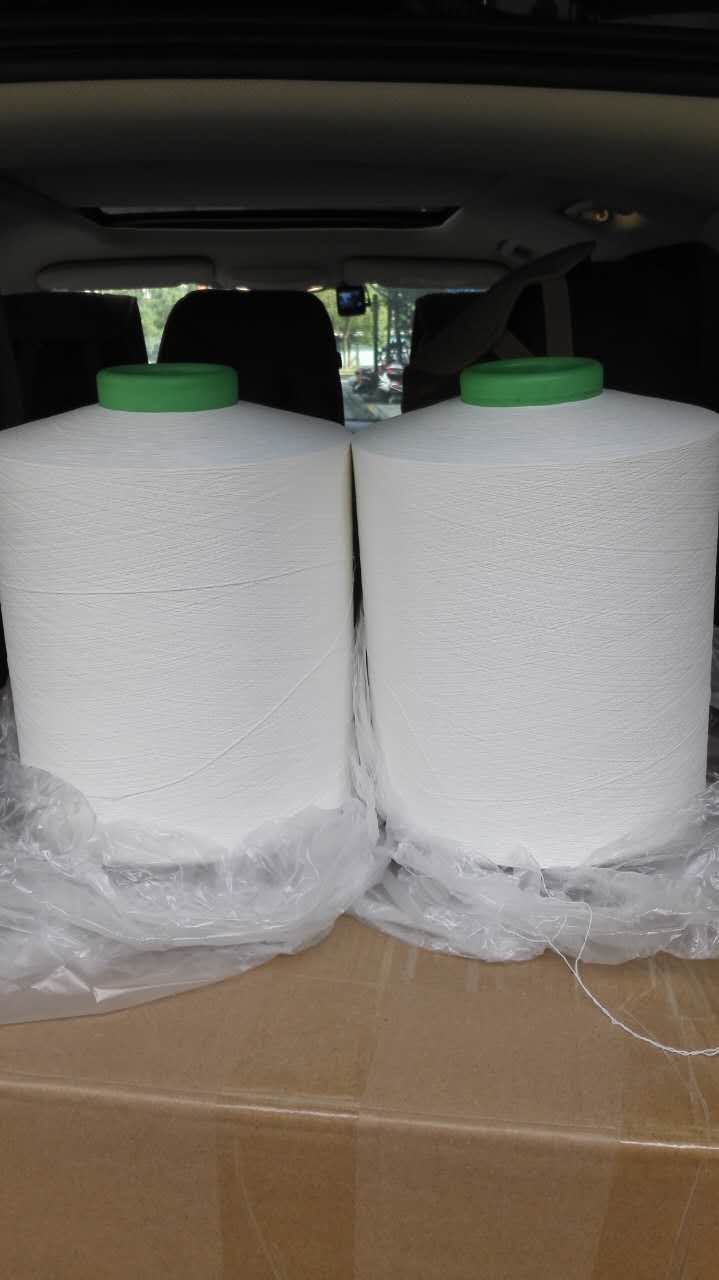
PET yarn comes in a wide range of colors and finishes. The color specification is usually defined by Pantone or other color - matching systems. Raw white PET yarn is a common base color, which can be further dyed to achieve the desired shade.
In addition to color, the appearance of the yarn is also specified. There are different finishes available, such as full - dull, semi - dull, and bright. A full - dull finish is achieved by adding titanium dioxide to the polymer during the manufacturing process, which reduces the yarn's luster. Polyester Flame Retardant 150/288 Full - dull Raw White Filament Yarn is an example of a yarn with a full - dull finish, which is often used in applications where a matte appearance is preferred, like in some home furnishings.

Chemical and Performance Properties
PET yarn also has specific chemical and performance properties. One of the most important is its strength. Tensile strength is measured in grams per denier (g/d). A higher tensile strength means the yarn can withstand more stress without breaking. This is particularly important in applications such as industrial fabrics or outdoor clothing.
Elongation at break is another crucial performance property. It indicates the percentage of stretch a yarn can undergo before it breaks. A yarn with high elongation at break is more elastic and can better adapt to stretching and movement.
Flame retardancy is an important consideration for many applications, especially in the textile industry. Flame - retardant PET yarns are treated with special chemicals to reduce their flammability. The Polyester Flame Retardant 150/288 Full - dull Raw White Filament Yarn mentioned earlier is designed to meet strict flame - retardant standards, making it suitable for use in public spaces, transportation, and protective clothing.
UV resistance is also a significant factor, especially for outdoor applications. Modified Polyester UV Changing Color Yarn is an innovative product that not only has good UV resistance but also changes color when exposed to ultraviolet light, adding a unique aesthetic element to outdoor fabrics.
Dimensional Stability
Dimensional stability refers to the ability of the yarn to maintain its shape and size under different conditions. PET yarn generally has good dimensional stability, but factors such as heat, humidity, and mechanical stress can still affect it. For example, in applications where the fabric will be subjected to high - temperature processing or washing, the yarn needs to have sufficient dimensional stability to prevent shrinkage or distortion.
Packaging and Quality Control
The packaging of PET yarn is also an important part of the specification. Yarn is typically packaged on cones, bobbins, or in hanks. The packaging should protect the yarn from damage during transportation and storage.
As a supplier, we implement strict quality control measures to ensure that our PET yarn meets the specified standards. This includes regular testing of physical, chemical, and performance properties. We also maintain detailed records of each batch of yarn produced, allowing us to trace the origin and quality of the product.

Conclusion
In conclusion, the standard specification of PET yarn encompasses a wide range of physical, chemical, and performance properties. These specifications are carefully defined to meet the diverse needs of different industries and applications. Whether you need a fine, lightweight yarn for fashion, a flame - retardant yarn for safety, or a UV - resistant yarn for outdoor use, understanding the standard specifications is essential for making the right choice.
If you're interested in purchasing PET yarn that meets high - quality standards, we'd love to have a discussion with you. Our team of experts can help you select the most suitable yarn for your specific requirements. Feel free to reach out to us to start a procurement negotiation and explore the possibilities of working together.
References
- Textile Institute. Handbook of Textile Fibres. Woodhead Publishing, 2015.
- Morton, W. E., & Hearle, J. W. S. Physical Properties of Textile Fibres. Elsevier, 2008.