

Hey there! As a supplier of PA66 yarn, I often get asked about the friction coefficient of PA66 yarn. It's a pretty important topic, especially for those who are using or planning to use this type of yarn in their products. So, I thought I'd take some time to explain what the friction coefficient of PA66 yarn is and why it matters.
First off, let's talk about what the friction coefficient is. Simply put, the friction coefficient is a measure of how much friction there is between two surfaces when they are in contact with each other. In the case of PA66 yarn, the friction coefficient refers to the amount of friction between the yarn and other materials it comes into contact with, like needles, guides, or other yarns.

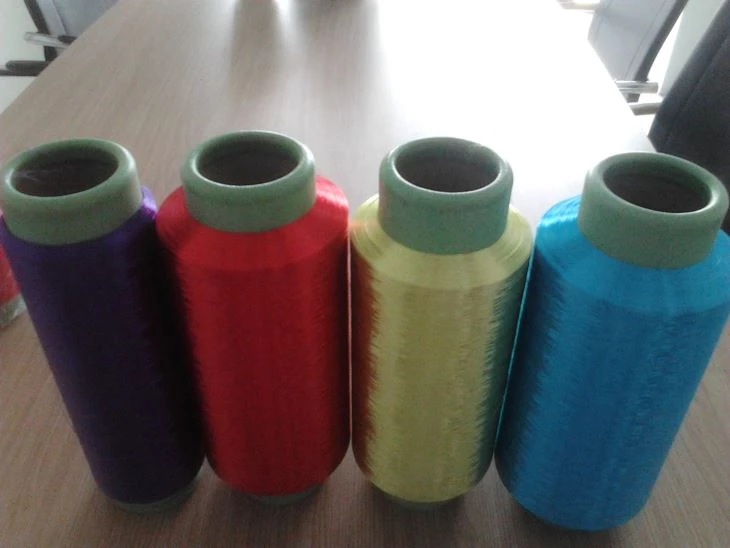
The friction coefficient of PA66 yarn can vary depending on a few different factors. One of the main factors is the surface finish of the yarn. PA66 yarn can have different surface textures, which can affect how it interacts with other materials. For example, a yarn with a smooth surface might have a lower friction coefficient compared to a yarn with a more rough or textured surface.
Another factor that can influence the friction coefficient is the environment in which the yarn is used. Temperature and humidity can play a role. In a high - humidity environment, the surface of the PA66 yarn might absorb some moisture, which can change its friction properties. Higher temperatures can also cause the yarn to expand slightly, potentially altering the friction between it and other materials.
Now, why does the friction coefficient of PA66 yarn matter? Well, it has a big impact on the performance of the yarn in various applications. In the textile industry, for instance, when PA66 yarn is used for sewing, a high friction coefficient can cause problems. It might lead to more wear and tear on the sewing needles, as the yarn rubs against them more forcefully. This can result in broken needles or uneven stitches. On the other hand, a very low friction coefficient might make it difficult to control the tension of the yarn during the sewing process.
In knitting applications, the friction coefficient affects how smoothly the yarn moves through the knitting machine. If the friction is too high, the yarn might get stuck in the machine, causing production delays and potentially damaging the equipment. A proper friction coefficient ensures that the knitting process runs smoothly and that the final knitted product has a consistent quality.
As a PA66 yarn supplier, we understand the importance of having the right friction coefficient for different applications. That's why we offer a variety of PA66 yarn products to meet the diverse needs of our customers. For example, our NYLON66 SEWING THREAD is specially formulated to have an optimal friction coefficient for sewing applications. This ensures that it works well with sewing machines and produces high - quality stitches.
We also have Nylon Filament Dope Dyed Yarn 20D /12F,40D/12F/2PLY, 70D/24F/2PLY. These yarns are designed with a carefully controlled friction coefficient to be suitable for different knitting and weaving processes. The dope - dyed feature not only gives them vibrant colors but also helps in maintaining their friction properties over time.
In addition, our DTY AND FDY polyamide Nylon56 Dope Dyed Yarn or PA 56 yarn is another option for those looking for a yarn with specific friction characteristics. This type of yarn can be used in various high - performance applications where the right friction coefficient is crucial for the overall performance of the final product.
To measure the friction coefficient of PA66 yarn, there are several testing methods available. One common method is the capstan test. In this test, the yarn is wrapped around a capstan (a rotating drum), and the tension on the yarn before and after it passes over the capstan is measured. By using a specific formula, the friction coefficient can be calculated based on these tension measurements.
We've done a lot of research and development to optimize the friction coefficient of our PA66 yarn products. Our team of experts conducts regular tests to ensure that the yarns we supply meet the quality standards and perform well in different applications. We work closely with our customers to understand their specific requirements and then recommend the most suitable PA66 yarn with the appropriate friction coefficient.
If you're in the market for PA66 yarn and are concerned about the friction coefficient for your particular application, don't hesitate to reach out. Whether you're a small - scale craft business or a large - scale textile manufacturer, we can provide you with the right PA66 yarn solution. We can offer samples for you to test in your own production environment, so you can see for yourself how our yarns perform in terms of friction and other properties.
In conclusion, the friction coefficient of PA66 yarn is a key factor that affects its performance in various applications. As a supplier, we're committed to providing high - quality PA66 yarn with the right friction coefficient to meet your needs. Whether it's for sewing, knitting, or other uses, we've got the products and the expertise to help you succeed. So, if you're interested in learning more or want to start a purchase negotiation, feel free to get in touch.
References:
- Textile Materials Science textbooks
- Industry research papers on PA66 yarn properties
- In - house research and development reports from our company