

Hey there! As a supplier of DTY yarn, I often get asked about color fastness. So, I thought I'd write this blog to give you the lowdown on what color fastness of DTY yarn is all about.
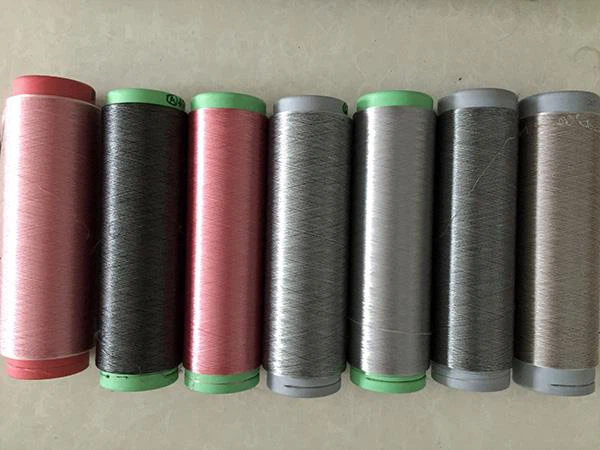
First off, let's talk about what DTY yarn is. DTY stands for Draw Textured Yarn. It's a type of synthetic yarn that's widely used in the textile industry. It's made from polyester chips, which are melted and then extruded through spinnerets to form filaments. These filaments are then drawn and textured to give the yarn its unique properties, like stretchability and bulkiness.
Now, color fastness is a super important aspect of DTY yarn. It refers to the ability of the yarn to retain its color when exposed to various conditions such as washing, light, rubbing, and perspiration. If a yarn has good color fastness, it means the color won't fade, bleed, or transfer easily. On the other hand, poor color fastness can lead to all sorts of problems, like color changes in the finished product, staining of other fabrics during washing, and a generally lower quality appearance.
There are different types of color fastness tests that are commonly used in the industry. Let's take a look at some of them.
Washing Fastness
This test measures how well the yarn holds its color when it's washed. During the test, a sample of the DTY yarn is washed under specific conditions, like a certain temperature, with a particular detergent, and for a set number of cycles. After the washing, the color change of the yarn and any staining on adjacent fabrics are evaluated. If the yarn has good washing fastness, there'll be minimal color change and no staining on the other fabrics.
Light Fastness
Light can cause colors to fade over time. So, light fastness is all about how resistant the yarn's color is to the effects of sunlight or artificial light. In the test, the yarn sample is exposed to light for a certain period. The intensity and type of light can vary depending on the standard being used. Then, the color change of the yarn is assessed. Yarns with high light fastness will maintain their color better even after long - term light exposure.

Rubbing Fastness
Rubbing can also cause color to transfer from one surface to another. The rubbing fastness test involves rubbing a sample of the DTY yarn against a white fabric. There are two types of rubbing: dry rubbing and wet rubbing. In dry rubbing, the yarn is rubbed against the white fabric in a dry state, while in wet rubbing, the yarn is moistened before rubbing. After the rubbing, the amount of color transferred to the white fabric is evaluated. Good rubbing fastness means little to no color transfer.
Perspiration Fastness
Since our skin produces perspiration, it's important to know how the yarn's color will react to it. In the perspiration fastness test, the yarn sample is soaked in a solution that simulates human perspiration. There are usually two types of perspiration solutions: acidic and alkaline, as different people's perspiration can have different pH levels. After soaking, the color change of the yarn and any staining on adjacent fabrics are checked.
So, why is color fastness so crucial for DTY yarn? Well, for one thing, it affects the quality and durability of the final textile products. Whether it's a piece of clothing, a home textile, or an industrial fabric, consumers expect the colors to stay vibrant and true for a long time. If the color fades or bleeds quickly, it can lead to customer dissatisfaction and returns.
Moreover, in the fashion and textile industry, color is a key selling point. Bright, long - lasting colors can make a product more appealing to consumers. For designers and manufacturers, using DTY yarn with good color fastness allows them to create high - quality, fashionable products that stand out in the market.
At our company, we take color fastness very seriously. We use high - quality dyes and advanced dyeing techniques to ensure that our DTY yarns have excellent color fastness properties. Our Polyester Draw Texturized High Elastic Yarn is a great example. It not only has good stretchability but also retains its color well even after multiple washes and long - term light exposure.
Another product we offer is the PBT Yarn For Sweater , it can used directly with cotton or other yarn. This yarn is perfect for making sweaters as it has great color fastness, which means the beautiful colors of the sweaters will last. And our Polester Textured Melange Yarn has a unique multi - color effect that remains vivid due to its good color fastness.
We also have a strict quality control system in place. Before our DTY yarns are shipped out, they go through a series of color fastness tests to make sure they meet or exceed industry standards. This way, we can guarantee that our customers are getting the best - quality yarns.
If you're in the market for DTY yarn and are concerned about color fastness, look no further. We're here to provide you with high - quality DTY yarns that will meet your needs. Whether you're a small - scale designer or a large - scale manufacturer, we can offer you the right yarns for your projects.
If you're interested in our products or want to learn more about our DTY yarns and their color fastness properties, don't hesitate to reach out. We're always happy to have a chat and discuss your requirements. We can provide you with samples so you can test the color fastness yourself and see the quality of our yarns up close.
In conclusion, color fastness is a vital characteristic of DTY yarn. It impacts the quality, appearance, and durability of textile products. By choosing DTY yarns with good color fastness, you can ensure that your products will look great and last a long time. So, if you're looking for reliable DTY yarn suppliers, give us a chance, and we'll work together to create amazing textile products.
References
- Textile Testing Manual, various editions
- Industry standards on color fastness testing (e.g., ISO, AATCC standards)