

As a supplier of T400 yarn, I've been frequently asked about its chemical resistance. This characteristic is crucial for many applications, from the textile industry to various manufacturing processes. In this blog post, I'll delve into the details of T400 yarn's chemical resistance, exploring how it performs against different types of chemicals and what this means for its practical use.
Understanding T400 Yarn
Before we dive into its chemical resistance, let's briefly understand what T400 yarn is. T400 yarn is a type of polyester yarn known for its excellent stretch and recovery properties. It combines the best features of traditional polyester with enhanced elasticity, making it a popular choice in the fashion and sports industries. The unique structure of T400 yarn gives it not only good mechanical properties but also certain chemical characteristics that are worth exploring.
Chemical Resistance Mechanisms
The chemical resistance of T400 yarn is mainly attributed to its molecular structure. Polyester, the base material of T400 yarn, has a relatively stable chemical structure. The long - chain polymer molecules are held together by strong covalent bonds, which provide a certain degree of protection against chemical attack.
When it comes to specific chemicals, T400 yarn shows different levels of resistance. For example, it has good resistance to most weak acids and bases. Weak acids, such as acetic acid commonly found in household vinegar, have little effect on T400 yarn. The stable molecular structure of the polyester can withstand the relatively mild acidic environment without significant degradation. Similarly, weak bases like diluted ammonia solutions also do not cause major damage to the yarn.
However, strong acids and bases pose a greater threat. Concentrated sulfuric acid, for instance, is a powerful oxidizing agent. When T400 yarn comes into contact with concentrated sulfuric acid, the acid can break the covalent bonds in the polyester molecules, leading to the degradation of the yarn. The same goes for strong bases like sodium hydroxide. High - concentration sodium hydroxide solutions can hydrolyze the ester bonds in the polyester, causing the yarn to lose its strength and integrity.
Resistance to Organic Solvents
T400 yarn also has varying degrees of resistance to organic solvents. Some common organic solvents like ethanol and acetone have different effects on the yarn. Ethanol, a relatively mild organic solvent, has limited interaction with T400 yarn. In most cases, short - term exposure to ethanol will not cause significant damage to the yarn. However, prolonged immersion in ethanol may cause some swelling of the yarn, which can affect its mechanical properties to a certain extent.
On the other hand, acetone is a more aggressive organic solvent. Acetone can dissolve or swell T400 yarn more easily compared to ethanol. When the yarn is exposed to acetone, the solvent can penetrate the polymer matrix, disrupting the intermolecular forces and causing the yarn to lose its shape and strength.
Impact on Dyeing and Finishing Processes
The chemical resistance of T400 yarn also has implications for dyeing and finishing processes. In the textile industry, dyes and finishing agents often contain various chemicals. T400 yarn's ability to resist these chemicals is essential for achieving high - quality dyed and finished products.

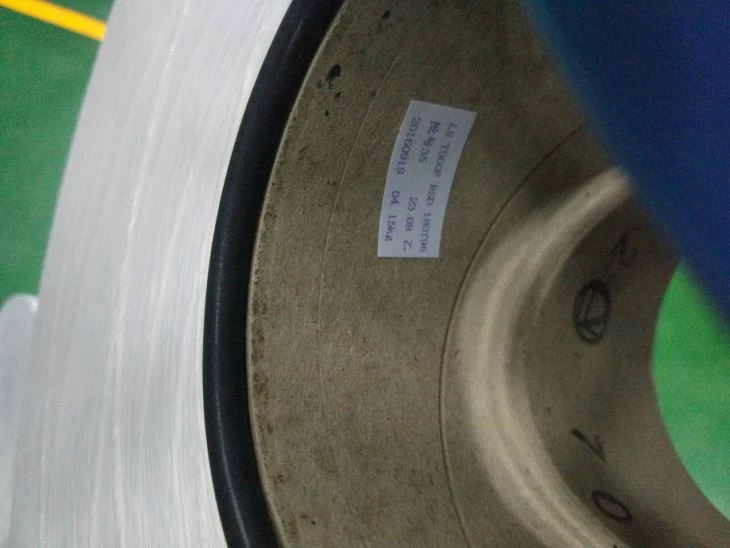
For example, in the dyeing process, acid dyes are commonly used for polyester yarns. T400 yarn's good resistance to weak acids allows it to be dyed effectively with acid dyes without significant damage to the yarn structure. The stable chemical properties ensure that the color fastness of the dyed yarn is high, and the yarn can maintain its strength and appearance after the dyeing process.
Finishing agents, such as softeners and water - repellents, also need to be compatible with T400 yarn's chemical resistance. Some finishing agents may contain chemicals that could potentially react with the yarn. By understanding the chemical resistance of T400 yarn, manufacturers can select the appropriate finishing agents to ensure that the final product meets the desired quality standards.
Applications Based on Chemical Resistance
The chemical resistance of T400 yarn makes it suitable for a wide range of applications. In the medical field, for example, T400 yarn can be used to make surgical gowns and other medical textiles. Its resistance to weak acids and bases means that it can withstand the sterilization processes that often involve chemical disinfectants.
In the automotive industry, T400 yarn can be used for interior upholstery. It can resist the chemicals present in car interiors, such as cleaning agents and body oils, ensuring that the upholstery maintains its appearance and performance over time.
Our Product Range
As a T400 yarn supplier, we offer a diverse range of products. You can explore our Dope Dyed DTY Yarn China For Knitting, which combines the advantages of T400 yarn with the convenience of dope - dyed technology. This product is suitable for various knitting applications, offering excellent color fastness and chemical resistance.
Another product in our portfolio is the 100PCT POLYESTER DRAW TEXTURED OF POLY TRIMETHYLENE TEREPHTALATE YARN DOPE DYED BLACK 1H SIM 50D/48F. This specific type of T400 yarn has unique properties and is ideal for applications where both stretch and chemical resistance are required.
We also have Polyester Flame Retardant 150/288 Full - dull Raw White Filament Yarn, which not only has good chemical resistance but also offers flame - retardant properties, making it suitable for applications in environments where fire safety is a concern.
Contact Us for Procurement
If you are interested in our T400 yarn products and want to learn more about their chemical resistance or have specific requirements for your projects, we invite you to contact us for procurement discussions. Our team of experts is ready to provide you with detailed information and help you select the most suitable products for your needs.
References
- Textile Chemistry and Coloration, Third Edition, by Harold A. Lappin and Charles E. Miller
- Polyester Fibers: Science and Technology, edited by I. Sakurada