

As a PA6 yarn supplier, I've had numerous discussions with clients about the optimal blending ratios of PA6 yarn with other fibers. This topic is crucial as it directly impacts the performance, appearance, and cost of the final textile products. In this blog, I'll delve into the science behind blending PA6 yarn with various fibers and explore the ideal ratios for different applications.
Understanding PA6 Yarn
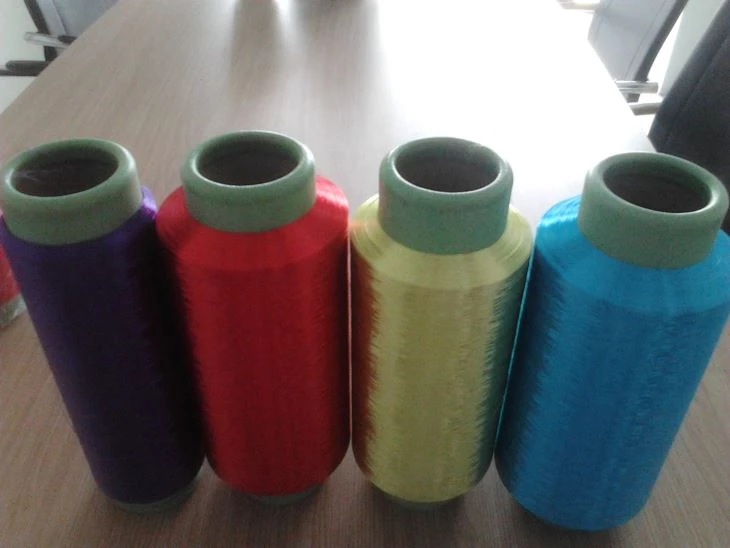
PA6, also known as polyamide 6, is a synthetic fiber renowned for its excellent strength, abrasion resistance, and elasticity. It has a high melting point, making it suitable for high - stress applications. PA6 yarn can be used in a wide range of products, from socks and clothing to industrial fabrics. Our company offers a variety of PA6 yarn products, such as [Nylon6 Dope Dyed DTY AND FDY Yarn for socks, cloth, fabric and so on](/nylon - yarn/nylon6 - dope - dyed - yarn.html).
Blending PA6 with Cotton
Cotton is one of the most commonly used natural fibers, valued for its breathability, softness, and comfort. When blended with PA6 yarn, the resulting fabric combines the best of both worlds.
The ideal blending ratio of PA6 and cotton depends on the intended use of the fabric. For everyday clothing, a ratio of 30% PA6 to 70% cotton is often a good choice. This blend provides enhanced durability and shape retention while still maintaining the soft and breathable feel of cotton. The PA6 component helps the fabric resist stretching and shrinking, ensuring that the garment keeps its shape after multiple washes.
In sportswear, a higher proportion of PA6, say 50% PA6 and 50% cotton, can be beneficial. The PA6 fiber's moisture - wicking properties, combined with cotton's comfort, make the fabric suitable for active individuals. It can quickly draw sweat away from the body, keeping the wearer dry and comfortable during exercise.
Blending PA6 with Polyester
Polyester is another synthetic fiber that is widely used in the textile industry. It is known for its wrinkle - resistance, quick - drying properties, and low cost. Blending PA6 with polyester can create fabrics with improved performance.
A common blending ratio for PA6 and polyester is 40% PA6 and 60% polyester. This blend offers a good balance between strength and wrinkle - resistance. The PA6 adds strength and abrasion resistance to the fabric, while the polyester provides wrinkle - free properties and quick - drying capabilities. This type of blend is often used in workwear and outdoor clothing, where durability and low - maintenance are essential.
For high - performance applications, such as technical sports fabrics, a higher percentage of PA6, around 60%, can be used. The PA6's high elasticity and strength make the fabric more suitable for activities that require a lot of movement and stress on the fabric.
Blending PA6 with Wool
Wool is a natural fiber known for its warmth, insulation, and softness. Blending PA6 with wool can enhance the fabric's durability and shape retention.
A typical blending ratio for PA6 and wool is 20% PA6 and 80% wool. This blend retains the warmth and softness of wool while adding the strength and abrasion resistance of PA6. The PA6 helps prevent the wool fibers from felting and stretching, making the fabric more durable over time. This type of blend is commonly used in high - end clothing, such as suits and overcoats.
Blending PA6 with Spandex
Spandex, also known as elastane, is a synthetic fiber with exceptional elasticity. Blending PA6 with spandex can create fabrics with high stretch and recovery properties.
For stretchy garments like swimwear and leggings, a blending ratio of 90% PA6 and 10% spandex is often used. This blend provides a good balance between stretch and support. The PA6 adds strength and durability to the fabric, while the spandex allows for a high degree of stretch and recovery, ensuring a snug fit.
Factors Affecting the Blending Ratio
Several factors can influence the choice of blending ratio for PA6 yarn with other fibers.
Cost
Cost is a significant factor in the textile industry. Synthetic fibers like PA6 and polyester are generally less expensive than natural fibers such as cotton and wool. By adjusting the blending ratio, manufacturers can control the cost of the final product while still achieving the desired performance characteristics.
End - Use Application
The intended use of the fabric plays a crucial role in determining the blending ratio. For example, if the fabric is for a high - stress industrial application, a higher proportion of PA6 may be required to ensure strength and durability. On the other hand, if the fabric is for a comfortable, everyday garment, a higher proportion of natural fibers may be preferred.

Aesthetic Requirements
The appearance of the fabric is also important. Different fibers have different visual properties, such as luster, texture, and color. The blending ratio can be adjusted to achieve the desired aesthetic effect. For example, adding a small amount of PA6 to a cotton fabric can enhance its sheen and give it a more modern look.
Our Product Range
In addition to our PA6 yarn, we also offer other related products such as [DTY AND FDY polyamide Nylon56 Dope Dyed Yarn or PA 56 yarn](/nylon - yarn/nylon56 - dope - dyed - yarn.html) and [Nylon Filament Dope Dyed Yarn 20D /12F,40D/12F/2PLY, 70D/24F/2PLY](/nylon - yarn/nylon - filament - dope - dyed - yarn - 20d - 12f - 40d - 12f.html). These products can also be blended with other fibers to create unique and high - performance fabrics.
Conclusion
The blending ratio of PA6 yarn with other fibers is a complex decision that depends on multiple factors, including cost, end - use application, and aesthetic requirements. By carefully selecting the right blending ratio, manufacturers can create fabrics that offer the best combination of performance, comfort, and appearance.
If you're interested in learning more about our PA6 yarn products or discussing the optimal blending ratios for your specific needs, we encourage you to contact us for a procurement discussion. We have a team of experts who can provide you with detailed information and guidance to help you make the best choices for your textile production.
References
- Textile Science and Technology, various editions
- Journal of Applied Polymer Science
- Proceedings of international textile conferences on fiber blending and performance