

Hey there! As a PBT yarn supplier, I've been getting a lot of questions lately about what fibers are commonly blended with PBT yarn. So, I thought I'd put together this blog post to share some insights and give you a better understanding of the different fiber blends you can create with PBT yarn.
First off, let's talk a bit about PBT yarn. PBT, or polybutylene terephthalate, is a synthetic fiber known for its excellent elasticity, resilience, and resistance to abrasion. It's also quite durable and has a soft, smooth feel, making it a popular choice for a variety of textile applications, from sportswear to home furnishings.
Now, onto the fibers that are commonly blended with PBT yarn.
Cotton
Cotton is one of the most popular fibers to blend with PBT yarn. Cotton is a natural fiber that's breathable, absorbent, and comfortable to wear. When blended with PBT yarn, it adds a soft, natural feel to the fabric while also improving its breathability. The PBT yarn, on the other hand, provides elasticity and shape retention, making the fabric more form-fitting and less likely to sag or stretch out over time.
Cotton-PBT blends are commonly used in sportswear, underwear, and casual clothing. They're great for activities where you need a combination of comfort and stretch, like running, yoga, or just lounging around.
Polyester
Polyester is another synthetic fiber that's often blended with PBT yarn. Polyester is known for its strength, durability, and resistance to wrinkles and shrinking. When blended with PBT yarn, it enhances the fabric's durability and shape retention, making it ideal for high-performance applications.
One popular type of polyester used in blends with PBT yarn is Polyester Poy Yarn 41dtex/72filament. This type of polyester yarn has a fine denier and a high filament count, which gives the fabric a smooth, soft feel. Polyester-PBT blends are commonly used in outdoor clothing, swimwear, and technical textiles.
Nylon
Nylon is a strong, lightweight synthetic fiber that's known for its abrasion resistance and elasticity. When blended with PBT yarn, it adds strength and durability to the fabric while also improving its elasticity. Nylon-PBT blends are commonly used in sportswear, hosiery, and lingerie.
The combination of nylon's strength and PBT's elasticity makes these blends ideal for applications where you need a fabric that can withstand a lot of wear and tear while still maintaining its shape and stretch.
Acrylic
Acrylic is a synthetic fiber that's often used as a substitute for wool. It's lightweight, soft, and has a similar look and feel to wool. When blended with PBT yarn, it adds warmth and softness to the fabric while also improving its shape retention.
Acrylic-PBT blends are commonly used in sweaters, scarves, and other winter wear. They're a great option for people who want the look and feel of wool without the itchiness or allergic reactions.
Cationic Polyester
Cationic Polyester Yarn is a special type of polyester that can be dyed with cationic dyes, which allows for bright, vibrant colors. When blended with PBT yarn, it adds colorfastness and a unique look to the fabric.
Cationic polyester-PBT blends are commonly used in fashion clothing, where color is an important factor. They're also used in home furnishings, such as curtains and upholstery, to add a pop of color and style.

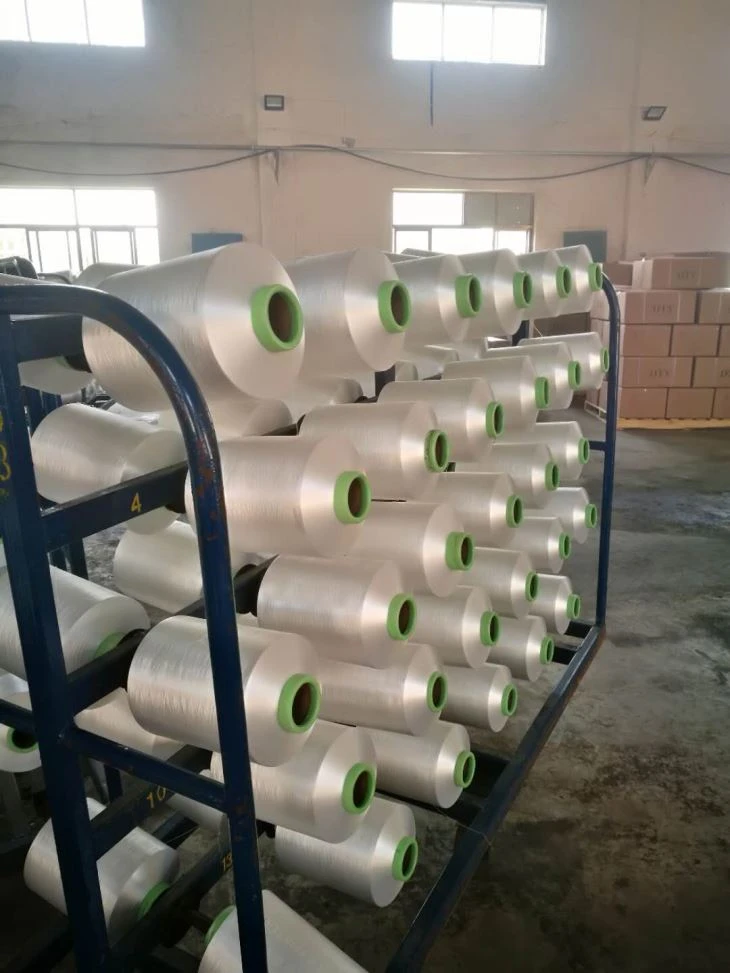
Polester Textured Melange Yarn
Polester Textured Melange Yarn is a type of polyester yarn that has a textured appearance and a melange effect. When blended with PBT yarn, it adds a unique visual appeal to the fabric.
Polester Textured Melange-PBT blends are commonly used in casual clothing, such as jeans and t-shirts, to give them a more trendy and fashionable look.
Blending Ratios
The ratio of PBT yarn to the other fibers in the blend can vary depending on the desired properties of the fabric. For example, a blend with a higher percentage of PBT yarn will have more elasticity and shape retention, while a blend with a higher percentage of the other fiber will have more of the properties associated with that fiber.
In general, blends with 20-30% PBT yarn are common for applications where you need a moderate amount of stretch and shape retention, while blends with 50% or more PBT yarn are used for applications where high elasticity and shape retention are required.
Benefits of Blending PBT Yarn
Blending PBT yarn with other fibers offers several benefits. First, it allows you to combine the properties of different fibers to create a fabric with unique characteristics. For example, you can combine the breathability of cotton with the elasticity of PBT yarn to create a fabric that's comfortable to wear and form-fitting.
Second, blending PBT yarn with other fibers can also reduce the cost of the fabric. PBT yarn can be more expensive than some other fibers, so blending it with less expensive fibers can help to lower the overall cost of the fabric without sacrificing too much in terms of quality.
Finally, blending PBT yarn with other fibers can also improve the environmental sustainability of the fabric. For example, blending PBT yarn with natural fibers like cotton or wool can reduce the use of synthetic fibers and make the fabric more biodegradable.
Conclusion
As you can see, there are many different fibers that can be blended with PBT yarn, each offering its own unique properties and benefits. Whether you're looking for a fabric that's breathable, durable, elastic, or stylish, there's a PBT blend out there for you.
If you're interested in learning more about PBT yarn blends or if you're looking to source high-quality PBT yarn for your textile applications, feel free to reach out to me. I'd be happy to discuss your needs and help you find the perfect blend for your project.
Let's start a conversation and see how we can work together to create amazing fabrics!
References
- Textile Institute. (n.d.). Handbook of Textile Fibres.
- Lewis, M. (2009). Textiles. Oxford University Press.