

PA66 yarn, also known as nylon 66 yarn, is a high - performance synthetic fiber renowned for its exceptional strength, durability, and resistance to abrasion. As a leading PA66 yarn supplier, I've witnessed firsthand the diverse and remarkable applications of this material, especially in the production of ropes. In this blog, we'll explore the various uses of PA66 yarn in rope manufacturing and understand why it's a top choice for many industries.
High - Strength and Load - Bearing Applications
One of the primary reasons PA66 yarn is widely used in rope production is its high tensile strength. PA66 has a strong molecular structure that allows ropes made from it to withstand heavy loads without breaking easily. This makes PA66 ropes ideal for applications where strength is of utmost importance, such as in the construction industry.
In construction sites, PA66 ropes are used for hoisting and securing heavy materials. Whether it's lifting steel beams, concrete blocks, or other construction components, these ropes can handle the weight and stress associated with such operations. Their high strength - to - weight ratio also means that they are relatively lightweight compared to some traditional ropes, making them easier to handle and transport on - site.
Another area where high - strength PA66 ropes are crucial is in the shipping and maritime industry. These ropes are used for mooring ships, towing vessels, and securing cargo on decks. The harsh marine environment, with its strong winds, rough seas, and constant exposure to saltwater, requires ropes that can endure extreme conditions. PA66 yarn's resistance to abrasion and its ability to maintain its strength even when wet make it an excellent choice for these maritime applications.

Resistance to Abrasion and Wear
PA66 yarn has excellent abrasion resistance, which is a vital characteristic for ropes that are constantly in contact with rough surfaces. In mining operations, for example, ropes are used to haul ore carts, support underground structures, and perform various other tasks. These ropes often rub against rocks, metal surfaces, and other abrasive materials. PA66 ropes can withstand this wear and tear, reducing the frequency of rope replacements and minimizing downtime in the mining process.
In the forestry industry, ropes are used for logging operations. They are used to pull logs, guide them through the forest, and load them onto trucks. The ropes come into contact with tree trunks, branches, and the rough forest floor. The abrasion - resistant nature of PA66 yarn ensures that the ropes can last longer in these demanding environments, providing a cost - effective solution for forestry companies.
Chemical Resistance
PA66 yarn exhibits good resistance to many chemicals, which makes ropes made from it suitable for use in chemical plants and other industrial settings where exposure to various chemicals is common. These ropes can be used for tasks such as securing chemical storage containers, operating valves, and performing maintenance work in areas where chemical spills are possible.
In addition, PA66 ropes are also resistant to mildew and rot, which is beneficial in outdoor and humid environments. For example, in agricultural applications, ropes are used for fencing, tying plants, and other farm - related tasks. The chemical resistance of PA66 yarn protects the ropes from damage caused by fertilizers, pesticides, and the natural elements, ensuring their longevity.
Elasticity and Flexibility
PA66 ropes have a certain degree of elasticity, which can be an advantage in some applications. In sports, for example, PA66 ropes are used in activities such as tug - of - war. The elasticity of the ropes allows for a more dynamic and exciting game, as it can absorb some of the shock and tension during the pulling process.
The flexibility of PA66 ropes also makes them easy to handle and tie knots. This is important in various industries where ropes need to be quickly and securely fastened. For example, in the camping and outdoor recreation industry, ropes are used for setting up tents, hanging hammocks, and other activities. The flexibility of PA66 ropes makes them user - friendly and convenient for outdoor enthusiasts.
Different Types of PA66 Ropes
Depending on the specific requirements of different applications, various types of PA66 ropes can be produced. For high - strength applications, ropes with a higher denier (a measure of the yarn's thickness) of PA66 yarn can be used. These ropes are thicker and stronger, capable of handling heavier loads.
On the other hand, for applications where a more lightweight and flexible rope is needed, ropes made from finer PA66 yarns can be manufactured. These ropes are often used in applications such as in the textile industry for creating decorative ropes or in the handicraft industry for making jewelry and other small items.
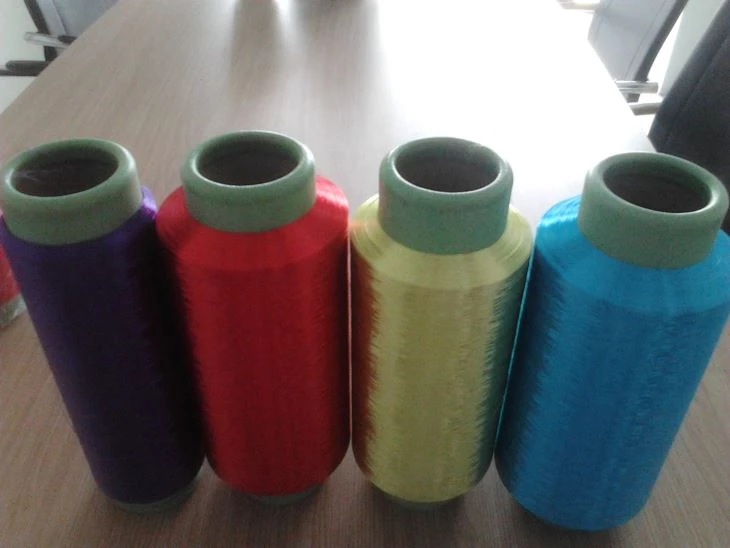
As a PA66 yarn supplier, we offer a wide range of products to meet the diverse needs of our customers. For those interested in our specific nylon yarn products, you can check out our Nylon Filament Dope Dyed Yarn 20D /12F,40D/12F/2PLY, 70D/24F/2PLY. This product is available in different specifications and can be used in various rope - making processes.
We also have Nylon6 Dope Dyed DTY AND FDY Yarn for socks, cloth, fabric and so on. Although it's mainly mentioned for other applications, it can also be used in some specialized rope - making scenarios where specific properties are required. And our NYLON66 SEWING THREAD can be used in some cases where fine - scale rope - like structures or stitching for ropes are needed.
Temperature Resistance
PA66 yarn has a relatively high melting point and can maintain its mechanical properties over a wide range of temperatures. This makes PA66 ropes suitable for use in both hot and cold environments. In high - temperature industrial processes, such as in foundries or glass manufacturing plants, ropes are used for handling hot materials. PA66 ropes can withstand the heat without losing their strength or shape.
In cold climates, such as in the Arctic or Antarctic regions, PA66 ropes are used for various research and exploration activities. The ropes can remain flexible and strong even in extremely low temperatures, ensuring the safety and efficiency of operations in these harsh environments.
Aesthetic and Decorative Uses
Beyond their functional applications, PA66 ropes also have aesthetic uses. In the interior design industry, PA66 ropes can be used to create unique and stylish decorative elements. They can be used for hanging curtains, creating wall hangings, or as part of furniture design. The smooth and lustrous appearance of PA66 yarn gives these ropes an attractive look, adding a touch of elegance to any space.
In the fashion industry, PA66 ropes are sometimes used as accessories. They can be made into belts, bracelets, or other fashion items. Their durability and the ability to be dyed in a wide range of colors make them a popular choice for designers looking to create trendy and long - lasting fashion pieces.
Conclusion
The uses of PA66 yarn in the production of ropes are vast and varied, spanning multiple industries and applications. Its high strength, resistance to abrasion, chemical resistance, temperature resistance, and aesthetic appeal make it a versatile material for rope manufacturing.
If you are in need of high - quality PA66 yarn for your rope production or other applications, we are here to help. As a reliable PA66 yarn supplier, we can provide you with the right products and technical support to meet your specific requirements. Whether you are a small - scale handicraft producer or a large - scale industrial manufacturer, we have the solutions for you. Contact us today to start a discussion about your procurement needs and explore how our PA66 yarn can enhance the performance and quality of your products.
References
- "Handbook of Fiber Science and Technology: High - Performance Fibers, Volume 2" by Menachem Lewin and Eli M. Pearce
- "Synthetic Fibers: Nylon, Polyester, Acrylic, Olefin" by Herman F. Mark, Samir K. Batra, and E. H. Immergut
- Industry reports on construction, shipping, mining, and other relevant sectors.