

In the dynamic landscape of global trade, understanding international trade regulations is crucial for businesses involved in the supply of various products. As a supplier of Fully Drawn Yarn (FDY), I am well - aware of the significance of these regulations in ensuring smooth and compliant business operations. This blog aims to delve into the international trade regulations for FDY yarn, offering insights that can help both suppliers and potential buyers navigate the complexities of the market.
Overview of FDY Yarn
FDY yarn, or Fully Drawn Yarn, is a type of polyester yarn that has undergone a drawing process to achieve high orientation and strength. It is widely used in the textile industry for making a variety of products, including clothing, home textiles, and industrial fabrics. The global demand for FDY yarn has been on the rise due to its excellent properties such as good elasticity, abrasion resistance, and dimensional stability.
Tariffs and Duties
One of the most prominent aspects of international trade regulations for FDY yarn is tariffs and duties. Tariffs are taxes imposed by governments on imported goods, and they can significantly impact the cost of FDY yarn in international markets. The rate of tariffs varies from country to country and is often influenced by factors such as the country of origin, the type of FDY yarn, and the trade agreements in place.

For instance, some countries may have preferential trade agreements that reduce or eliminate tariffs on FDY yarn imports from certain partner countries. These agreements are designed to promote trade and economic cooperation between the signatory nations. On the other hand, countries may also impose anti - dumping duties if they believe that FDY yarn is being sold in their market at a price lower than its normal value, which could harm domestic producers.
It is essential for us as an FDY yarn supplier to stay updated on the tariff rates and duty policies of our target markets. This allows us to accurately price our products and provide our customers with clear cost estimates. By understanding the tariff structures, we can also explore opportunities to source raw materials from countries with favorable trade terms, which can help us reduce production costs and offer more competitive prices to our customers.
Quality and Safety Standards
International trade regulations also encompass strict quality and safety standards for FDY yarn. These standards are in place to protect consumers from potential health and safety risks associated with textile products. Different countries and regions have their own set of standards, which may cover aspects such as fiber content, colorfastness, flammability, and the presence of harmful substances.
For example, the European Union has implemented the REACH (Registration, Evaluation, Authorization and Restriction of Chemicals) regulation, which restricts the use of certain hazardous chemicals in textile products, including FDY yarn. In the United States, the Consumer Product Safety Commission (CPSC) sets standards for the safety of textile products, ensuring that they are free from defects and do not pose a risk to consumers.
As a responsible FDY yarn supplier, we adhere to these international quality and safety standards. We conduct regular quality control checks throughout the production process to ensure that our FDY yarn meets or exceeds the requirements of our customers. This not only helps us comply with trade regulations but also enhances our reputation in the market and builds trust with our clients.
Documentation and Certification
Proper documentation and certification are vital in international trade of FDY yarn. When exporting FDY yarn, we are required to provide a range of documents, including commercial invoices, packing lists, bills of lading, and certificates of origin. These documents serve as proof of the origin, quantity, and value of the goods being exported and are necessary for customs clearance in the importing country.
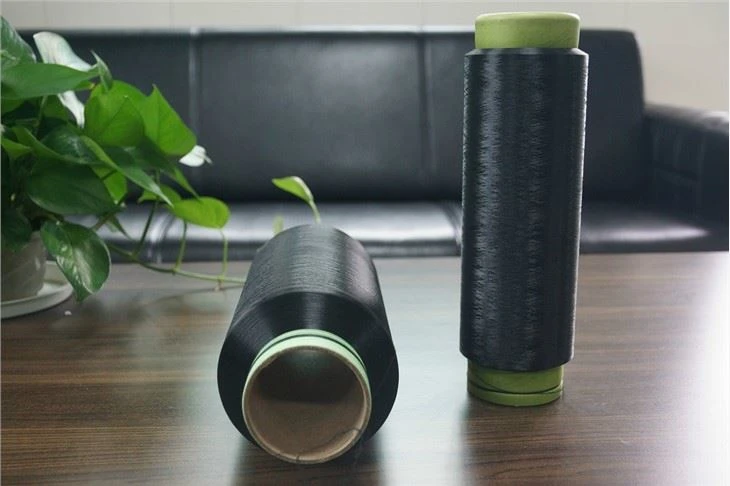
In addition to the standard documentation, certain markets may require specific certifications for FDY yarn. For example, the Oeko - Tex Standard 100 certification is widely recognized in the textile industry and indicates that the FDY yarn is free from harmful substances and meets high environmental and social responsibility standards. Having these certifications can give our customers confidence in the quality and safety of our products and can also facilitate trade in markets that prioritize sustainable and eco - friendly products.
Quotas and Licensing
Some countries may impose quotas on the import of FDY yarn to protect their domestic textile industries. Quotas limit the quantity of FDY yarn that can be imported within a specific period. In such cases, suppliers need to obtain import licenses from the relevant authorities in the importing country. These licenses specify the quantity of FDY yarn that can be imported and are subject to certain conditions and regulations.
As an FDY yarn supplier, we need to be aware of the quota systems in our target markets and plan our production and export strategies accordingly. We also work closely with our customers to help them obtain the necessary import licenses, ensuring a smooth and efficient trade process.
Market - Specific Regulations
In addition to the general trade regulations, there are also market - specific regulations that we need to consider when supplying FDY yarn. For example, some countries may have regulations regarding the labeling and packaging of textile products. The labels must provide accurate information about the fiber content, care instructions, and country of origin of the FDY yarn.
Moreover, cultural and social factors in different markets can also influence the demand for FDY yarn. For instance, certain colors or patterns may be more popular in some cultures than others. As a supplier, we need to understand these market - specific preferences and adapt our product offerings accordingly to meet the needs of our customers.
Our Product Range
We offer a diverse range of FDY yarn products to meet the different requirements of our customers. In addition to our standard FDY yarn, we also supply specialized products such as Electromagnetic Radiation Shielding Fabric Polyester Microfiber Dty Yarn, Dope Dyed DTY Yarn China For Knitting, and Recycled Polyester Yarn. These products are designed to cater to the growing demand for functional and sustainable textile solutions in the market.
Conclusion
Navigating the international trade regulations for FDY yarn is a complex but essential task for suppliers like us. By staying informed about tariffs, quality standards, documentation requirements, quotas, and market - specific regulations, we can ensure that our business operations are compliant and efficient. We are committed to providing high - quality FDY yarn products that meet the international standards and the diverse needs of our customers.

If you are interested in purchasing FDY yarn or have any questions about our products and trade regulations, please feel free to contact us. We look forward to starting a fruitful business relationship with you and discussing how we can meet your specific requirements.
References
- World Trade Organization (WTO) publications on trade regulations
- International Textile Manufacturers Federation (ITMF) reports on textile trade
- National customs and trade authorities' websites for specific country regulations