

Hey there! As a supplier of Annex XIV products, I've been thinking a lot about how we can evaluate the performance of Annex XIV. It's not just about selling the stuff; it's about making sure it meets the standards and does what it's supposed to do. So, let's dive into the evaluation methods for the performance of Annex XIV.
1. Quality and Compliance Checks
First off, one of the most basic yet crucial evaluation methods is quality and compliance checks. Annex XIV products need to meet certain regulatory standards. We can't just sell something that doesn't follow the rules. For example, we've got to check if the products are free from harmful substances. This means running tests to make sure there are no excessive levels of heavy metals, toxins, or other prohibited materials.
We also need to ensure that the products are manufactured in a way that adheres to good manufacturing practices. This includes things like proper storage, handling, and production processes. If a product doesn't meet these compliance standards, it's a no - go. It's like having a car that doesn't pass the safety inspection; you wouldn't want to drive it, and customers wouldn't want to buy non - compliant Annex XIV products.

2. Physical and Chemical Properties
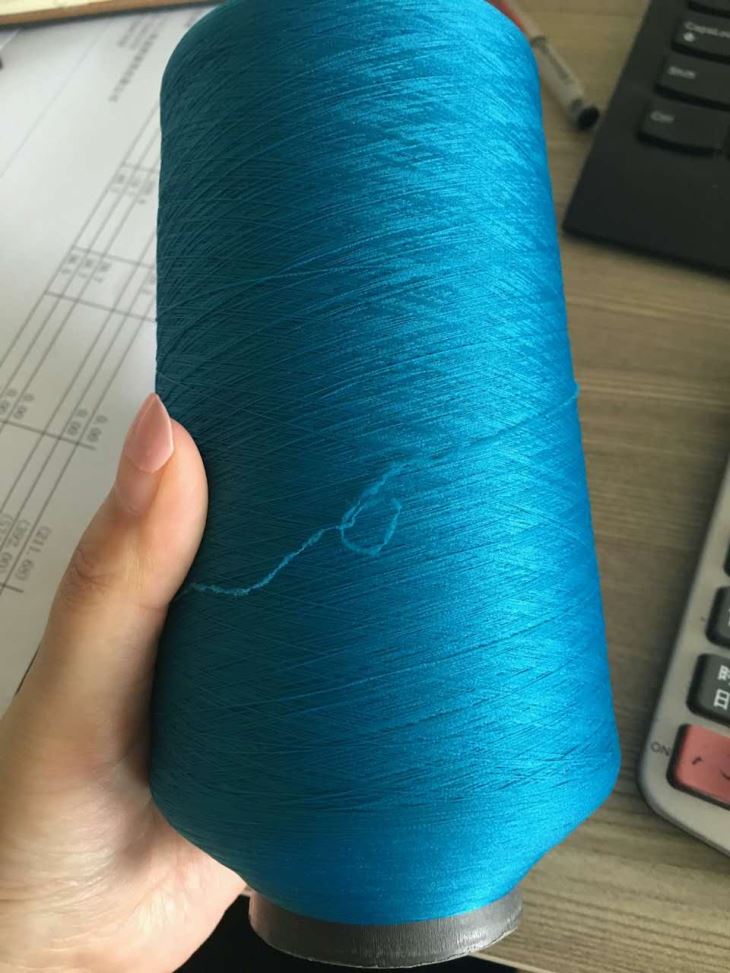
The physical and chemical properties of Annex XIV products are also key factors in performance evaluation. For instance, if we're talking about 20D polyester textured PBT dty yarn and Viscose Rayon Fdy yarn For making Sweater, we need to evaluate its strength, elasticity, and colorfastness.
Strength is important because it determines how well the yarn can withstand the stress of knitting or weaving. Elasticity, on the other hand, affects the fit and comfort of the final product. And colorfastness is crucial to ensure that the color of the sweater doesn't fade easily when washed or exposed to sunlight.
We can use various testing methods to measure these properties. For strength, we can use a tensile testing machine to pull the yarn until it breaks and record the maximum force it can withstand. For elasticity, we can stretch the yarn and measure how much it recovers. And for colorfastness, we can use standardized washing and light exposure tests.
3. Performance in End - Use Applications
Another important evaluation method is to test how the Annex XIV products perform in their end - use applications. For example, if we're supplying POLYESTER DTY 50/24 BRIGHT 1H S - SIM for use in clothing, we need to see how it behaves in real - life situations.
We can conduct wear tests, where volunteers wear clothing made from the yarn for a certain period. This helps us understand how the fabric feels against the skin, how it holds up to daily activities, and if it has any issues like pilling or shrinking.
We can also test the product's performance in different environmental conditions. For example, if the clothing is meant to be worn in hot and humid climates, we can simulate those conditions in a laboratory and see how the fabric performs. Does it breathe well? Does it keep the wearer cool? These are all important questions to answer.
4. Customer Feedback
Customer feedback is an invaluable evaluation method. Our customers are the ones using the Annex XIV products, so they have first - hand experience of how well they perform. We can collect feedback through surveys, reviews, and direct communication.
When we get feedback, we can learn about any issues or areas for improvement. Maybe the customers find that the Modified PBT (imitation Nylon) Sweater Dty High Stretch Yarn is too itchy, or that the color fades faster than expected. This kind of feedback helps us make adjustments to our products and improve their performance.
5. Cost - Benefit Analysis
Finally, we need to consider the cost - benefit analysis. It's not just about how well the product performs; we also need to make sure it's cost - effective. We need to evaluate if the benefits of using the Annex XIV product outweigh the costs.
This includes not only the production costs but also the costs associated with any potential environmental or health impacts. For example, if a product requires a lot of energy to produce or has a high environmental footprint, it might not be a sustainable option in the long run.
We can calculate the cost - benefit ratio by comparing the performance of the product (such as its durability, functionality, etc.) with the costs of production, transportation, and disposal. This helps us make informed decisions about whether to continue supplying a particular product or make changes to improve its cost - effectiveness.
In conclusion, evaluating the performance of Annex XIV products is a multi - faceted process. We need to consider quality and compliance, physical and chemical properties, performance in end - use applications, customer feedback, and cost - benefit analysis. By using these evaluation methods, we can ensure that we're providing high - quality products that meet the needs of our customers.
If you're interested in our Annex XIV products and want to discuss a potential purchase, feel free to reach out. We're always happy to have a chat and see how we can meet your requirements.
References
- Various industry standards and regulations related to Annex XIV products.
- Internal testing reports and data from our product evaluations.
- Customer feedback and survey results.