

In the realm of the textile industry, VPVB (Vinyl Polyvinyl Butyral) has emerged as a crucial material with a wide range of applications. As a VPVB supplier, I have witnessed firsthand the complexities and nuances associated with its production and cost factors. Understanding these cost factors is essential for both suppliers and buyers to make informed decisions and ensure the economic viability of their operations.
Raw Material Costs
One of the primary cost factors of VPVB is the price of raw materials. The production of VPVB involves several key raw materials, including polyvinyl alcohol (PVA), butyraldehyde, and various catalysts and additives. The prices of these raw materials are subject to market fluctuations, influenced by factors such as supply and demand, global economic conditions, and geopolitical events.
PVA, for example, is a synthetic polymer derived from vinyl acetate monomer. Its price can be affected by the availability of vinyl acetate, which is often produced from natural gas or petroleum. Any disruptions in the supply of these feedstocks can lead to price increases in PVA. Similarly, butyraldehyde, which is used to react with PVA to form VPVB, is also derived from petrochemical sources. Fluctuations in the price of crude oil can have a significant impact on the cost of butyraldehyde.
In addition to the base raw materials, the quality and purity of these materials can also affect the cost of VPVB. Higher-quality raw materials may result in a better-quality VPVB product, but they also come at a higher price. For instance, using Polyester Fdy 30Denier/24filament as a reference, the quality of the polyester filament can vary depending on its denier and filament count. A finer denier and higher filament count may indicate a higher-quality product, but it will also be more expensive.
Production Process Costs
The production process of VPVB is another significant cost factor. The process involves several steps, including the reaction between PVA and butyraldehyde, followed by purification, drying, and granulation. Each step requires specific equipment, energy, and labor, all of which contribute to the overall production cost.
The reaction between PVA and butyraldehyde is typically carried out in a reactor under controlled temperature and pressure conditions. The reactor needs to be designed and maintained to ensure efficient and safe operation. The cost of the reactor, as well as its associated heating, cooling, and agitation systems, can be substantial. Additionally, the reaction process requires the use of catalysts and additives to promote the reaction and improve the quality of the product. These catalysts and additives also add to the production cost.
Purification is an important step in the production of VPVB to remove any impurities and by-products from the reaction mixture. This process often involves filtration, washing, and centrifugation, which require additional equipment and energy. The cost of purification can vary depending on the complexity of the process and the level of purity required for the final product.
Drying and granulation are the final steps in the production process. The VPVB product needs to be dried to a specific moisture content and then granulated into a form that is suitable for storage and transportation. The drying process typically uses hot air or other drying methods, which consume energy. The granulation equipment also needs to be maintained and operated, adding to the production cost.
Energy Costs
Energy is a significant cost factor in the production of VPVB. The production process requires energy for heating, cooling, agitation, and other operations. The cost of energy can vary depending on the type of energy source used, such as electricity, natural gas, or steam.
In many cases, the production of VPVB is energy-intensive, especially during the reaction and drying steps. The cost of energy can have a significant impact on the overall production cost, especially in regions where energy prices are high. To reduce energy costs, some manufacturers may invest in energy-efficient equipment or adopt alternative energy sources, such as solar or wind power.
Labor Costs
Labor is another important cost factor in the production of VPVB. The production process requires skilled workers to operate the equipment, monitor the process, and ensure the quality of the product. The cost of labor can vary depending on the location of the production facility, the level of skill required, and the local labor market conditions.
In regions with high labor costs, manufacturers may face challenges in maintaining a competitive cost structure. To address this issue, some manufacturers may invest in automation and robotics to reduce the need for manual labor. Automation can not only improve the efficiency and productivity of the production process but also reduce the risk of human error and improve the quality of the product.
Quality Control Costs
Quality control is essential in the production of VPVB to ensure that the product meets the required specifications and standards. The cost of quality control includes the cost of testing equipment, testing materials, and the labor required to perform the tests.

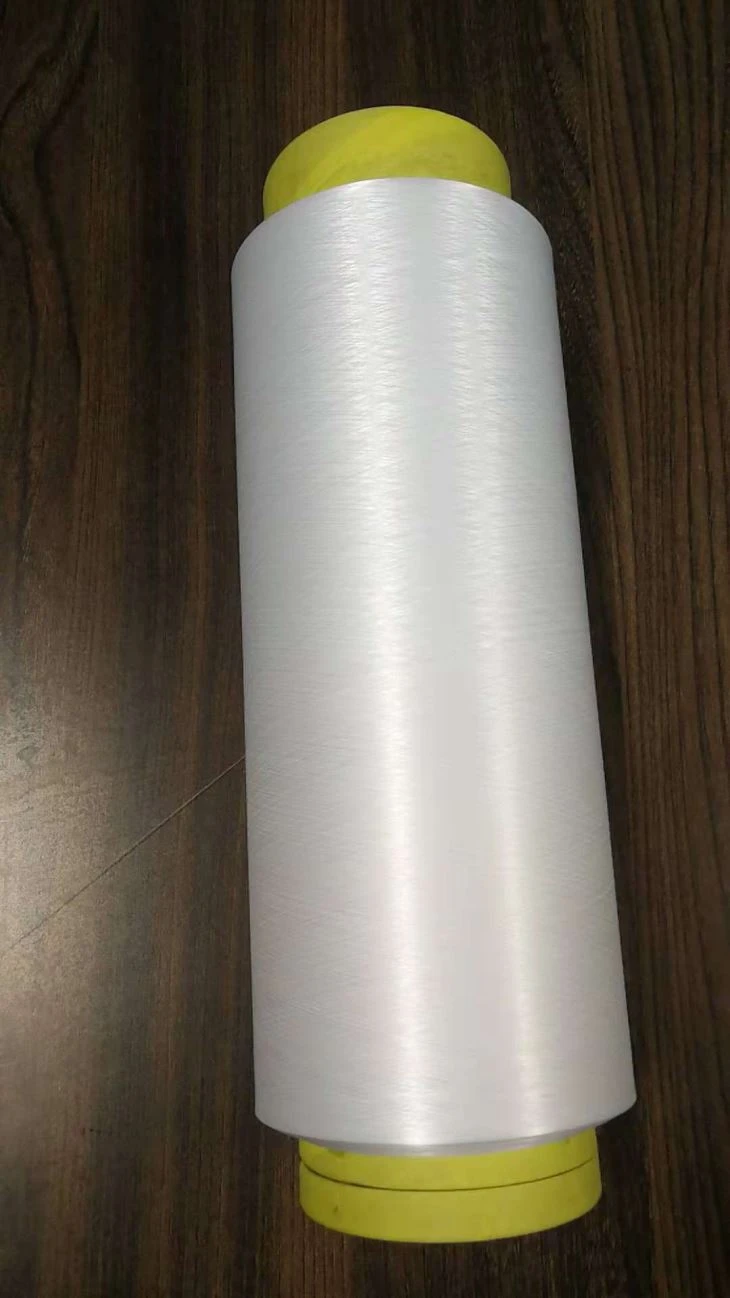
Testing equipment is needed to measure the physical and chemical properties of the VPVB product, such as its viscosity, molecular weight, and water content. The cost of testing equipment can vary depending on the type and accuracy of the equipment. Additionally, testing materials, such as solvents and reagents, are also required for the tests. The cost of these materials can add up over time.
The labor required to perform the tests is also a significant cost factor. Skilled technicians are needed to operate the testing equipment and interpret the test results. The cost of labor can vary depending on the level of skill required and the number of tests performed.
Regulatory Compliance Costs
Regulatory compliance is an important consideration in the production of VPVB. The product needs to comply with various regulations and standards, such as environmental regulations, health and safety regulations, and product quality regulations. The cost of regulatory compliance includes the cost of obtaining permits, conducting environmental impact assessments, and implementing safety measures.
Environmental regulations require manufacturers to control the emissions of pollutants and waste generated during the production process. This may involve the installation of pollution control equipment, such as scrubbers and filters, and the implementation of waste management systems. The cost of these measures can be significant, especially for large-scale production facilities.
Health and safety regulations require manufacturers to provide a safe working environment for their employees. This may involve the implementation of safety training programs, the provision of personal protective equipment, and the installation of safety devices. The cost of these measures can also add to the overall production cost.
Market Demand and Competition
Market demand and competition can also have an impact on the cost of VPVB. When the market demand for VPVB is high, manufacturers may be able to charge a higher price for their product, which can help to offset the production costs. On the other hand, when the market is saturated or competition is intense, manufacturers may need to reduce their prices to remain competitive.
In a competitive market, manufacturers may also need to invest in research and development to improve the quality of their product and develop new applications. The cost of research and development can be significant, but it can also help to differentiate the product from competitors and increase market share.
Packaging and Transportation Costs
Packaging and transportation are the final cost factors in the production of VPVB. The product needs to be packaged in a suitable container to protect it from damage during storage and transportation. The cost of packaging materials, such as bags, drums, or containers, can vary depending on the type and size of the package.
Transportation costs can also have a significant impact on the overall cost of VPVB. The cost of transportation depends on the distance between the production facility and the customer, the mode of transportation used, such as truck, rail, or ship, and the volume of the product being transported. In some cases, the cost of transportation can be a significant portion of the total cost, especially for long-distance shipments.
Conclusion
In conclusion, the cost factors of VPVB are complex and multifaceted. Raw material costs, production process costs, energy costs, labor costs, quality control costs, regulatory compliance costs, market demand and competition, and packaging and transportation costs all contribute to the overall cost of VPVB. As a VPVB supplier, it is important to understand these cost factors and manage them effectively to ensure a competitive cost structure and a high-quality product.
If you are interested in purchasing VPVB or have any questions about our products, please feel free to contact us for further discussion. We are committed to providing high-quality products and excellent customer service.
References
- Textile Industry Report: Market Trends and Cost Analysis
- VPVB Production Technology Handbook
- Energy Efficiency in the Chemical Industry: Best Practices and Case Studies