

Hey there! As a supplier of PBT yarn, I often get asked a bunch of questions. One that pops up quite a bit is, "Is PBT yarn flammable?" Well, let's dig into this topic and find out.
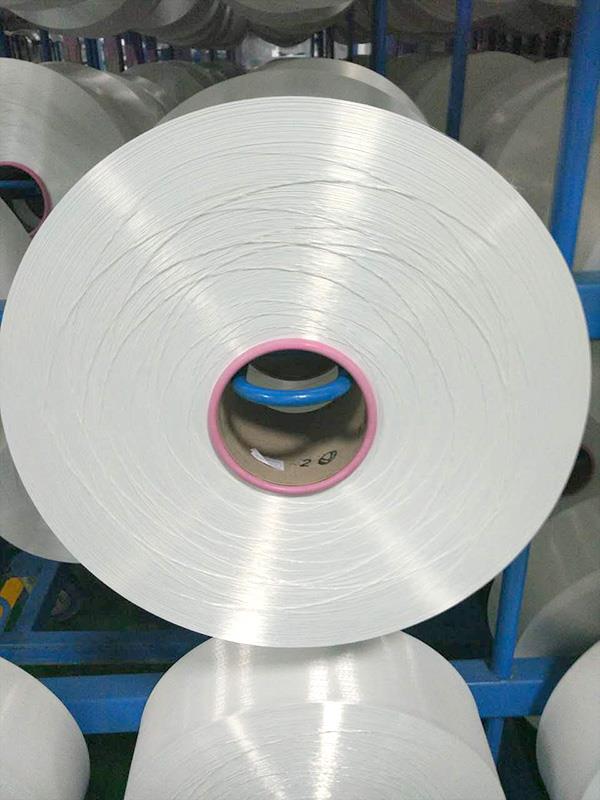

First off, let's understand what PBT yarn is. PBT stands for polybutylene terephthalate. It's a type of synthetic polymer that's used to make all sorts of yarns. These yarns have some pretty cool properties. They're known for being strong, having good elasticity, and being resistant to chemicals. You can find PBT yarn in a wide range of products, from clothing to industrial applications.
Now, back to the burning question (pun intended): Is PBT yarn flammable? The short answer is yes, but it's not as simple as that. Most synthetic materials, including PBT, will burn if exposed to a high enough heat source for a long enough time. However, PBT has some characteristics that affect its flammability.
PBT yarn has a relatively high melting point. This means that it takes a fair amount of heat to get it to start melting and then burning. When compared to some other synthetic fibers, PBT doesn't catch fire as easily. For example, some types of polyester yarn might ignite more readily than PBT.
But here's the deal. Once PBT yarn does catch fire, it can burn. And like any burning material, it releases heat, smoke, and potentially harmful gases. The rate at which it burns can depend on a few factors. The thickness of the yarn matters. Thicker PBT yarn might take longer to catch fire and burn more slowly than a thinner one. The environment also plays a role. If there's a lot of oxygen around, the fire can spread more quickly.
Let's talk about how PBT yarn is used in different industries and how flammability comes into play. In the textile industry, PBT yarn is often used to make clothing. For everyday wear, the risk of the yarn catching fire is relatively low. But in some work environments, like those where there are open flames or high heat sources, the flammability of the yarn becomes a concern. That's why there are safety standards and regulations in place to ensure that the clothing made from PBT yarn meets certain fire - resistance requirements.
In the industrial sector, PBT yarn can be used in things like conveyor belts or insulation materials. Again, the flammability of the yarn needs to be considered. If it's used in an area where there's a risk of fire, steps might be taken to treat the yarn to make it more fire - resistant.
Now, let me tell you about some of the PBT yarn products we offer. We have the Core Spun Yarn With Wool 28S/2. This yarn combines the properties of PBT with the natural warmth and softness of wool. It's a great choice for making high - quality clothing. And then there's the The Elastic Pbt Yarn 10Denier/5filament And 10Denier And 12filament. This elastic yarn is perfect for applications where stretch is important, like in sportswear. We also have the Polyester Poy Yarn 41dtex/72filament, which has its own unique set of properties and uses.
If you're worried about the flammability of our PBT yarn, don't fret. We take this issue seriously. We work with our customers to understand their specific needs and can provide yarns that meet different fire - resistance standards. We can also offer advice on how to handle and use the yarn to minimize the risk of fire.
If you're in the market for PBT yarn, whether it's for clothing, industrial use, or any other application, we'd love to hear from you. We're here to help you find the right product for your needs. Just reach out to us, and we can start a conversation about your requirements. We're always happy to provide samples and answer any other questions you might have.
In conclusion, while PBT yarn is flammable, it has properties that make it less likely to catch fire compared to some other materials. And with the right precautions and treatment, it can be used safely in a variety of applications. So, if you're looking for high - quality PBT yarn, give us a shout, and let's work together to get you the best product.
References:
- Textile Chemistry textbooks
- Industry reports on synthetic fiber properties