

Hey there! As a PBT yarn supplier, I often get asked whether PBT yarn is environmentally friendly. It's a great question, and one that's becoming more and more important these days as we all look for ways to be more sustainable. So, let's dive into it and see what the deal is with PBT yarn and the environment.

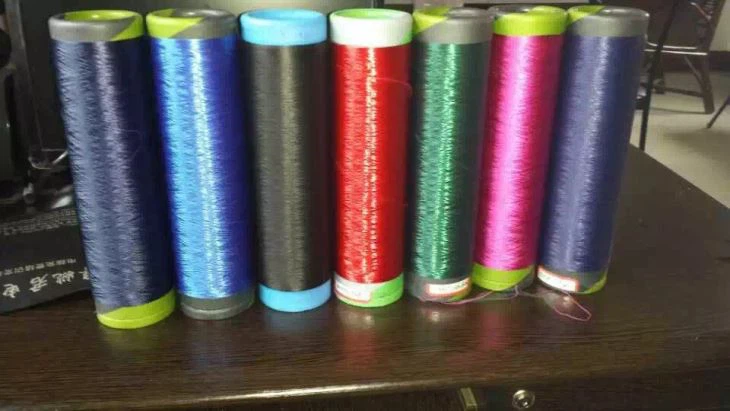
First off, let's talk about what PBT yarn is. PBT stands for polybutylene terephthalate, which is a type of polyester. It's known for its stretchability, durability, and resistance to chemicals and abrasion. These properties make it a popular choice for a wide range of applications, from clothing to home textiles to industrial uses.
When it comes to assessing the environmental friendliness of PBT yarn, there are several factors we need to consider.
1. Raw Material Sourcing
PBT is a synthetic polymer, and like all synthetic materials, it starts with petrochemicals. Petrochemicals are derived from fossil fuels, which are non - renewable resources. The extraction and processing of fossil fuels can have a significant environmental impact, including air and water pollution, habitat destruction, and greenhouse gas emissions. So, in this regard, the raw material sourcing of PBT is not ideal from an environmental perspective.
However, some manufacturers are starting to explore alternative feedstocks. For example, there's research into using bio - based monomers to produce PBT. Bio - based materials are derived from renewable resources like plants, which can reduce the reliance on fossil fuels and lower the carbon footprint of the production process.
2. Production Process
The production of PBT yarn involves several energy - intensive processes, such as polymerization, spinning, and finishing. These processes require a lot of energy, usually in the form of electricity and heat, which often comes from non - renewable energy sources. High energy consumption means more greenhouse gas emissions, contributing to climate change.
But here's the good news. Manufacturers have been making efforts to improve energy efficiency in the production process. Modern technologies and equipment can reduce energy consumption significantly. Additionally, some production facilities are shifting towards renewable energy sources like solar or wind power, which can greatly reduce the environmental impact of PBT yarn production.
Another aspect of the production process is the use of chemicals. Some of the chemicals used in the production and finishing of PBT yarn can be harmful to the environment and human health if not managed properly. For example, dyes and additives may contain heavy metals or other toxic substances. However, there's a growing trend towards using more eco - friendly dyes and additives. Dope Dyed DTY Yarn is a great example. Dope dyeing is a process where the color is added directly to the polymer before spinning, which can reduce water pollution and the use of chemicals compared to traditional dyeing methods.
3. Product Performance and Lifespan
One of the advantages of PBT yarn in terms of environmental impact is its performance and lifespan. PBT yarn is highly durable and has excellent stretch recovery properties. This means that products made from PBT yarn tend to last longer. A longer - lasting product reduces the need for frequent replacements, which in turn reduces the overall consumption of resources and energy associated with manufacturing new products.
For example, in the textile industry, clothing made from polyester textured yarn (DTY)/Elastic dope dyed DTY Knitting PBT Yarn can withstand repeated washing and wearing without losing its shape or color. This durability means less waste going to landfills, as the clothing doesn't need to be thrown away as quickly as less durable alternatives.
4. Recycling and Disposal
Recycling is an important part of the sustainability equation. Unfortunately, PBT is not as widely recycled as some other polymers like PET (polyethylene terephthalate). The recycling process for PBT can be more complex and costly, which limits its recycling rate.
However, there is ongoing research and development in the field of PBT recycling. Some companies are exploring new technologies to break down PBT into its monomers and reuse them to produce new yarn. If these recycling technologies become more widespread and cost - effective, it will significantly improve the environmental profile of PBT yarn.
When it comes to disposal, if PBT yarn is not recycled, it will end up in landfills. Like other synthetic materials, PBT takes a long time to decompose, which can contribute to the growing problem of landfill waste.
5. Comparing with Other Yarns
To get a better sense of PBT yarn's environmental friendliness, it's useful to compare it with other types of yarns.
- Cotton: Cotton is a natural fiber, which is often seen as an environmentally friendly option. However, conventional cotton farming requires a large amount of water, pesticides, and fertilizers, which can have a significant environmental impact. In comparison, PBT yarn production may use less water and chemicals once the initial petrochemical extraction is factored out.
- Wool: Wool comes from sheep, and while it is a renewable resource, the sheep farming industry has its own environmental issues, such as land use for grazing and methane emissions from sheep. PBT yarn does not have these specific animal - related environmental concerns.
In my opinion, while PBT yarn is not a perfect environmentally friendly material, it has both pros and cons. The fact that it can last a long time and the potential for more sustainable production processes and recycling solutions make it an option that can contribute to a more sustainable future.
If you're considering using Modified Polyester Dty Filament Yarn or any of our PBT yarn products, I encourage you to reach out and have a chat with us. We're always happy to discuss how our products can meet your needs while also being as environmentally responsible as possible. Whether you're in the fashion industry, home textiles, or any other field that uses yarn, we can work together to find the best solution for you. So, don't hesitate to get in touch and start a conversation about your procurement needs!
References
- "Polyester Fibers: Science and Technology" by Andrzej Kakol
- Articles on sustainable textile production from industry journals like Textile World and Fibre2Fashion