

How does the temperature affect the properties of PET yarn?
As a seasoned PET yarn supplier, I've witnessed firsthand the profound influence of temperature on the properties of PET (Polyethylene Terephthalate) yarn. Temperature is not just a number on a thermometer; it's a critical factor that can transform the characteristics of PET yarn, impacting its performance, appearance, and usability in various applications.
Physical Properties
When it comes to the physical properties of PET yarn, temperature plays a role in determining its strength, elasticity, and diameter. At lower temperatures, PET yarn becomes stiffer and more brittle. The polymer chains within the yarn are packed closely together, reducing their ability to move and stretch. This can lead to a decrease in the elasticity of the yarn, making it more prone to breakage during processing or use.
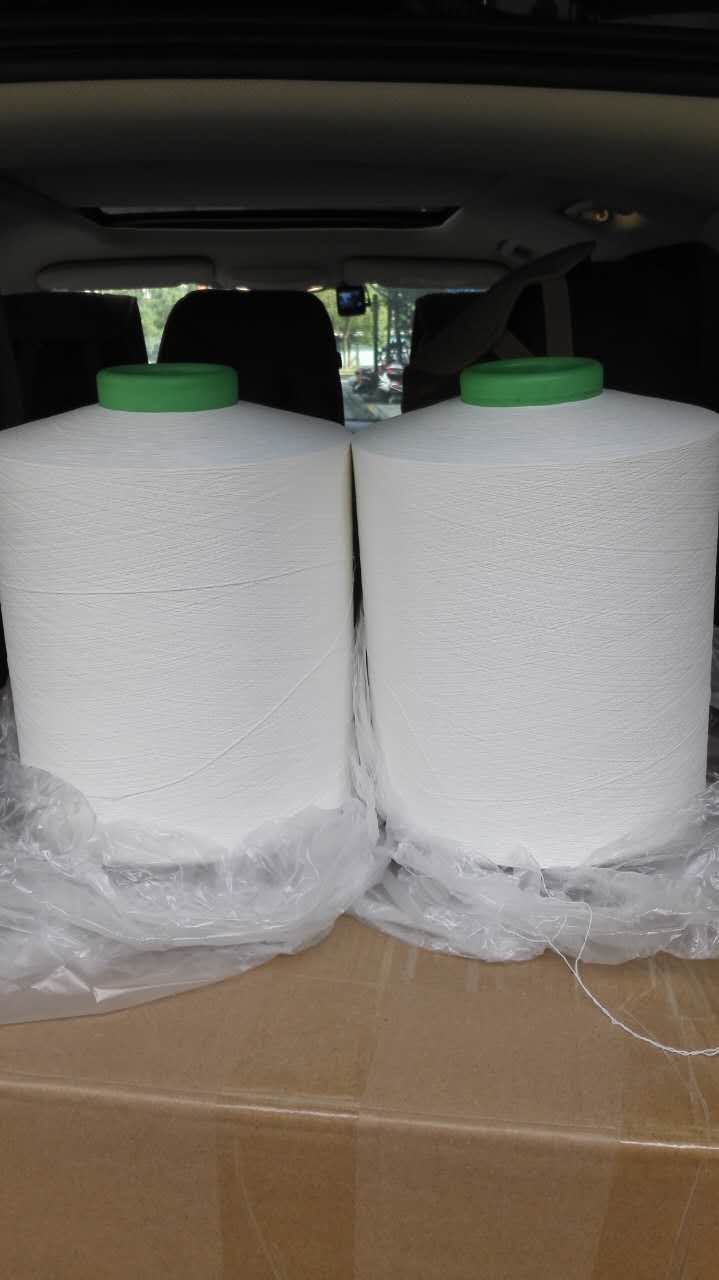

For example, in cold environments, the resistance of the yarn to bending and torsion is significantly reduced. If you are using PET yarn for knitting or weaving in a cold - storage facility, you might find that the yarn snaps more easily, increasing production waste and costs.
On the other hand, as the temperature rises, the polymer chains in the PET yarn gain more energy and start to move more freely. This results in an increase in the yarn's elasticity. The yarn can stretch more without breaking, which is beneficial in applications where stretchability is required, such as in the production of sportswear. However, excessive heat can also cause the yarn to lose its shape. If the temperature exceeds the melting point of PET (around 250°C - 260°C), the yarn will start to melt, obviously losing its structural integrity.
The diameter of the PET yarn is also affected by temperature. When heated, the yarn expands, and its diameter increases. This expansion can have implications for the final product's dimensions. In textile manufacturing, where precise sizing is crucial, temperature - induced changes in yarn diameter can lead to variations in fabric density and appearance. For instance, in the production of high - quality clothing, slight variations in yarn diameter can cause visible differences in the fabric's texture and drape.
Chemical Properties
Temperature can also influence the chemical properties of PET yarn. At high temperatures, the chemical bonds in the PET polymer can start to break down. Oxidation can occur more rapidly, especially in the presence of oxygen in the air. This oxidation can lead to a change in the color of the yarn, making it yellow or brown over time. The chemical degradation also weakens the yarn, reducing its strength and durability.
This is particularly important when considering the long - term storage and use of PET yarn. If the yarn is stored in a hot and humid environment for an extended period, the chemical degradation can be accelerated, resulting in a product that does not meet the required quality standards.
Moreover, PET yarn is often subjected to various chemical treatments during the manufacturing process, such as dyeing and finishing. Temperature affects the solubility of dyes and the reactivity of finishing agents in these processes. Higher temperatures can increase the rate of dye diffusion into the yarn, leading to more uniform and deeper coloration. However, if the temperature is too high, it can cause the dyes to break down or react with the PET polymer in an unwanted way, resulting in poor color fastness.
Thermal Properties
One of the most notable features of PET yarn is its thermal stability. Compared to some other synthetic fibers, PET has a relatively high melting point, which gives it good heat - resistance. This makes PET yarn suitable for applications where it may be exposed to moderate heat, such as in automotive interiors or industrial filters.
However, this does not mean that PET yarn is immune to temperature - induced changes in its thermal properties. When heated, PET yarn undergoes a phase transition from a semi - crystalline to an amorphous state. This transition affects the yarn's thermal conductivity. In the semi - crystalline state, the polymer chains are arranged in an ordered manner, which allows for better heat transfer. As the temperature rises and the yarn becomes more amorphous, the thermal conductivity decreases.
This change in thermal conductivity can be important in applications where heat management is critical. For example, in the production of insulating materials, understanding the thermal behavior of PET yarn at different temperatures is essential for achieving the desired insulation performance.
Impact on Different Types of PET Yarn
Let's take a look at how temperature affects some specific types of PET yarn available from our range.
Polyester Flame Retardant 150/288 Full - dull Raw White Filament Yarn
This flame - retardant PET yarn is widely used in applications where fire safety is a concern, such as in home furnishings and industrial textiles. Temperature affects its flame - retardant properties. At high temperatures, the flame - retardant additives in the yarn may start to decompose, reducing their effectiveness. Therefore, it is crucial to use and store this yarn within a suitable temperature range to maintain its fire - resistant quality.
T400 Dope Dyed Stretch Yarn
As the name suggests, T400 dope - dyed stretch yarn is known for its excellent stretchability. Temperature has a significant impact on this property. In cold temperatures, the yarn loses its stretchability, and it may not return to its original shape after stretching. On the other hand, at high temperatures, the stretchability may increase, but the yarn may also become more prone to deformation. This makes it important to control the temperature during the manufacturing and use of products made from this yarn, especially in applications such as activewear.
Dope Dyed DTY Yarn China For Knitting
Dope - dyed DTY (Draw Textured Yarn) is commonly used in knitting applications. Temperature affects its dyeing quality and physical properties. During the dyeing process, the right temperature is crucial for achieving uniform color distribution. Also, changes in temperature can impact the stiffness and softness of the yarn, which in turn affects the feel and appearance of the knitted fabric.
Prudent Temperature Management
As a PET yarn supplier, we are well - aware of the importance of temperature control throughout the supply chain. From production to storage and transportation, we take measures to ensure that the yarn is kept within the optimal temperature range.
In our production facilities, we have precise temperature control systems to ensure that the spinning, texturing, and dyeing processes are carried out at the right temperatures. This helps us to produce high - quality PET yarn with consistent properties.
During storage, we store the yarn in temperature - controlled warehouses to prevent any unwanted changes in its properties. Similarly, when transporting the yarn, we use insulated containers or vehicles to protect it from extreme temperatures.
Call to Action
If you are in the market for high - quality PET yarn, understanding the impact of temperature on its properties is vital for making the right choices for your specific applications. Whether you need yarn for knitting, weaving, or any other textile - related use, our team of experts can provide you with detailed information and guidance on how to handle and use our PET yarn effectively.
We are committed to providing you with the best products and services. If you have any questions or would like to discuss your procurement needs, please reach out to us. We look forward to starting a productive conversation with you and helping you meet your business requirements.
References
- “Polyester Fibers: Science and Technology” by D. Bhattacharya and S. K. Ghosh.
- “Textile Science” textbooks for general knowledge on fiber properties and temperature effects.
- Industry - specific research papers on the thermal behavior of PET polymers.