

Hey there! As a supplier of PA yarn, I often get asked about how well our yarn performs when it comes to abrasion resistance. Well, let me tell you, it's one of the key features that makes our PA yarn stand out in the market.
First off, let's understand what PA yarn is. PA stands for Polyamide, which is commonly known as nylon. Nylon is a synthetic polymer that has been around for ages, and it's known for its strength, durability, and yes, excellent abrasion resistance. Our PA yarn is made using high - quality raw materials and advanced manufacturing processes, which gives it that extra edge in terms of performance.
What is Abrasion Resistance?
Abrasion resistance refers to a material's ability to withstand wear and tear caused by friction. When two surfaces rub against each other, the material can start to break down, lose its integrity, and eventually fail. In the case of yarn, this could mean fraying, pilling, or even snapping. For products that are exposed to a lot of movement and friction, like socks, workwear, and industrial fabrics, having good abrasion resistance is crucial.
How Does Our PA Yarn Measure Up?
Our PA yarn has some seriously impressive abrasion resistance properties. Here's why:
Molecular Structure
The molecular structure of nylon is a big part of the reason it's so resistant to abrasion. Nylon molecules are long and linear, with strong intermolecular forces holding them together. This gives the yarn a high tensile strength, which means it can withstand a lot of pulling and stretching without breaking. When it comes to abrasion, the strong molecular bonds help the yarn resist the forces that try to break it down.
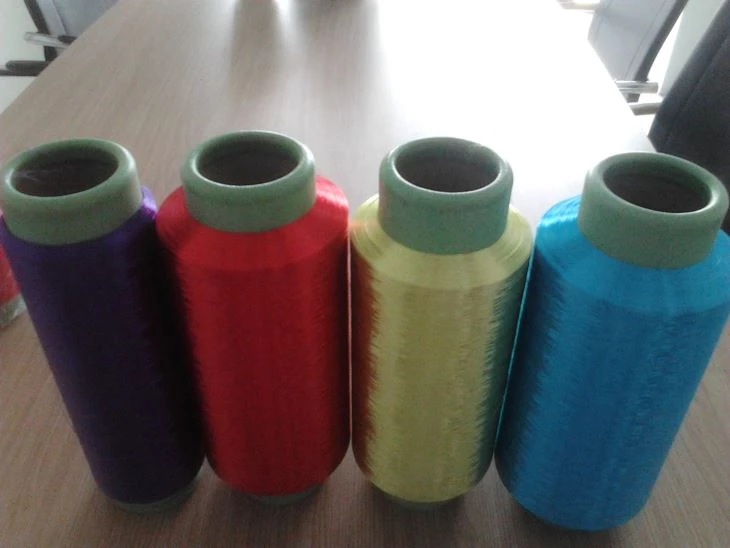

Surface Smoothness
Our manufacturing process ensures that the surface of the PA yarn is smooth. A smooth surface reduces the amount of friction when the yarn comes into contact with other materials. This means less wear and tear, and a longer lifespan for the products made from our yarn. Whether it's being used in a sewing machine or woven into a fabric, the smooth surface of our PA yarn helps it glide easily, reducing the chances of abrasion.
Testing and Quality Control
We don't just rely on theory to prove the abrasion resistance of our PA yarn. We conduct rigorous testing to ensure that it meets the highest standards. We use industry - standard abrasion testing machines to simulate real - world conditions. These tests involve rubbing the yarn against different surfaces for a set number of cycles and then evaluating the amount of damage. Our PA yarn consistently performs well in these tests, which is a testament to its quality.
Real - World Applications
The excellent abrasion resistance of our PA yarn makes it suitable for a wide range of applications.
Textile Industry
In the textile industry, our PA yarn is used to make all sorts of products. For example, it's a popular choice for making socks. Socks are constantly rubbing against feet and shoes, so they need to be able to withstand a lot of abrasion. Our PA yarn helps socks stay in good condition for longer, reducing the need for frequent replacements.
We also supply our yarn for workwear. Workers in industries like construction, manufacturing, and mining need clothing that can stand up to tough conditions. Our PA yarn - based workwear can resist the friction caused by tools, equipment, and rough surfaces, ensuring that the clothing lasts longer and provides better protection.
Industrial Applications
In industrial settings, our PA yarn is used in conveyor belts, hoses, and ropes. These products are exposed to a lot of movement and friction, and they need to be reliable. The abrasion resistance of our PA yarn ensures that these industrial products can operate efficiently and safely for an extended period.
Our Product Range
We offer a variety of PA yarn products, each with its own unique features and benefits. Check out some of our popular products:
- NYLON66 SEWING THREAD: This high - quality sewing thread is made from nylon 66, which is known for its excellent strength and abrasion resistance. It's perfect for sewing heavy - duty fabrics and products that need to withstand a lot of wear and tear.
- Nylon6 Dope Dyed DTY AND FDY Yarn for socks, cloth, fabric and so on: Our dope - dyed nylon 6 yarn is not only resistant to abrasion but also has great colorfastness. It's suitable for a wide range of textile applications, from socks to upholstery.
- Nylon Filament Dope Dyed Yarn 20D /12F,40D/12F/2PLY, 70D/24F/2PLY: This filament yarn comes in different deniers and ply options, giving you more flexibility in your product design. It's ideal for applications where you need a fine, strong, and abrasion - resistant yarn.
Why Choose Our PA Yarn?
When it comes to choosing a PA yarn supplier, there are a few things that set us apart.
Quality Assurance
We're committed to providing the highest quality PA yarn. Our strict quality control measures ensure that every batch of yarn meets our standards. We use the latest technology and equipment to monitor the production process and conduct thorough testing.
Customization
We understand that different customers have different needs. That's why we offer customization options for our PA yarn. Whether you need a specific denier, color, or finish, we can work with you to create a product that meets your requirements.
Competitive Pricing
We believe that high - quality products shouldn't come with a high price tag. We offer our PA yarn at competitive prices, making it accessible to a wide range of customers. We're able to keep our costs down through efficient production processes and strong supplier relationships.
Contact Us for Procurement
If you're interested in our PA yarn and want to learn more about its abrasion resistance or other features, or if you're ready to place an order, don't hesitate to contact us. We're here to answer your questions, provide samples, and discuss your specific needs. Whether you're a small textile manufacturer or a large industrial company, we can work with you to find the right PA yarn solution for your business.
References
- "Engineering Properties of Polymers" by Charles A. Harper
- "Textile Science" by Howard E. Hethorn and Mary V. Ullman
- Industry reports on nylon yarn performance and testing