

Hey there! As a socks supplier, I've seen all kinds of socks in my time. One question that often pops up is, "How do diabetic socks differ from regular socks?" Well, let's dive right in and explore the key differences.
Material and Comfort
First off, the materials used in diabetic socks are a big deal. Regular socks can be made from a wide range of materials like cotton, wool, or synthetic blends. While these are great for everyday wear, diabetic socks are designed with more specialized materials. They usually contain a blend of soft, breathable fibers to keep the feet dry and comfortable.
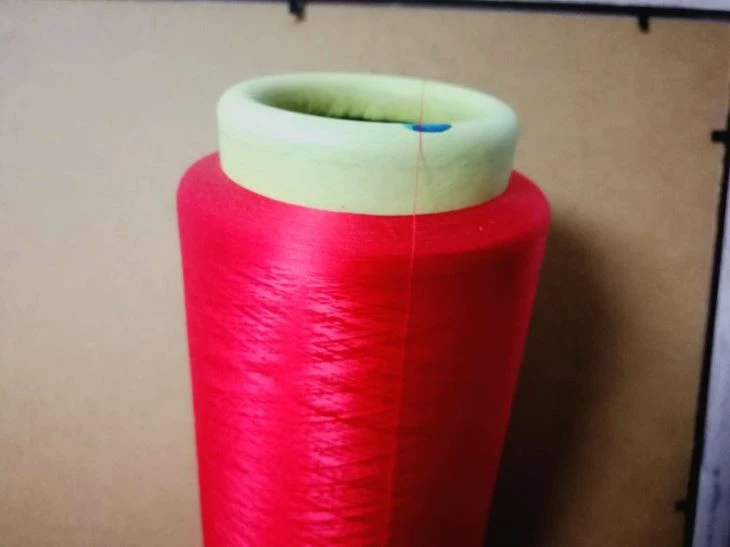
For example, many diabetic socks use a high - percentage of cotton, which is known for its breathability. But they also often incorporate other fibers like polyester. You can check out Customized Polyester Dope Dyed Yarn 10D/12F and Polester Textured Melange Yarn. These types of yarns offer moisture - wicking properties, which means they can draw sweat away from the feet. This is super important for diabetics because excess moisture can lead to skin problems and infections.
Regular socks might not have this level of moisture management. Sometimes, they can trap sweat, creating a breeding ground for bacteria. Diabetic socks, on the other hand, are all about keeping the feet dry and healthy.

Fit and Pressure
The fit of diabetic socks is another major difference. Regular socks come in all shapes and sizes, and they're usually designed to fit a general range of foot sizes. But diabetic socks are made to be extra gentle on the feet.
They have a non - binding top. You know how regular socks sometimes leave a tight mark around your ankle? That's because they have an elastic band that can be too tight. Diabetic socks don't have that problem. Their tops are designed to be loose enough not to restrict blood flow. This is crucial for diabetics because poor blood circulation is a common issue. If blood can't flow properly to the feet, it can lead to serious complications like ulcers and slow - healing wounds.
In addition, diabetic socks are often seamless. The seams in regular socks can rub against the feet, causing blisters or sores. Diabetics are more prone to these kinds of injuries, and even a small blister can turn into a big problem. Seamless diabetic socks eliminate this risk by providing a smooth surface that doesn't irritate the skin.
Padding and Support
When it comes to padding and support, diabetic socks and regular socks also differ. Regular socks might have some padding in the heel or sole, but it's usually not as substantial as what you'll find in diabetic socks.
Diabetic socks are often extra - padded in the areas that need it most, like the heels and balls of the feet. This padding helps to absorb shock and reduce pressure when walking or standing. It's like having a little cushion for your feet. For diabetics, who may have nerve damage in their feet (a condition called neuropathy), this extra padding can make a huge difference. It can prevent pain and discomfort that might otherwise go unnoticed due to the lack of sensation.
Some diabetic socks also offer arch support. This helps to keep the feet in a proper alignment and can reduce fatigue. Regular socks usually don't have this level of support, as they're more focused on style and basic comfort.
Color and Appearance
You might think that color doesn't matter when it comes to socks, but in the case of diabetic socks, it can be important. Regular socks come in all sorts of bright colors and patterns. While this is great for fashion, diabetic socks are often more subdued in color.
They're usually white or light - colored. The reason for this is that it's easier to spot any signs of blood, discharge, or other problems on a light - colored sock. Diabetics need to regularly check their feet for any signs of injury or infection, and a light - colored sock makes it easier to do so.
Cost and Availability
Cost is another factor to consider. Generally, diabetic socks are a bit more expensive than regular socks. This is because of the specialized materials, design, and manufacturing processes involved. They're made to meet the specific needs of diabetics, which requires more attention to detail.
In terms of availability, regular socks are everywhere. You can find them in grocery stores, department stores, and online. Diabetic socks, on the other hand, are usually found in pharmacies, medical supply stores, or specialized online retailers. However, as more people become aware of the benefits of diabetic socks, they're becoming more widely available.
Who Needs Diabetic Socks?
Of course, not everyone needs diabetic socks. Regular socks are perfectly fine for most people. But if you have diabetes, or if you have poor circulation, neuropathy, or other foot problems, diabetic socks can be a game - changer.
They're also a good option for people who are on their feet all day, like nurses, teachers, or construction workers. The extra padding, support, and moisture - wicking properties can help to keep your feet comfortable and healthy.
Our Offerings as a Socks Supplier
As a socks supplier, we understand the importance of providing high - quality diabetic socks. We use the best materials, like Dope Dyed DTY Yarn, to ensure that our socks are comfortable, breathable, and durable.
We offer a wide range of diabetic socks in different styles and sizes to meet the needs of our customers. Whether you're looking for a simple, white pair of diabetic socks or something with a bit more style, we've got you covered.
If you're interested in purchasing diabetic socks for yourself or for someone you know, or if you're a retailer looking to stock our products, we'd love to hear from you. We're always happy to discuss your needs and provide more information about our products. Just reach out to us, and we can start a conversation about how we can work together.
Conclusion
In conclusion, diabetic socks are not your average socks. They're designed with the specific needs of diabetics in mind, from the materials they're made of to the way they fit and function. The differences in material, fit, padding, color, and cost all contribute to making diabetic socks a better choice for those with diabetes or other foot problems.
If you're in the market for socks and you have any of the conditions we've discussed, I highly recommend giving diabetic socks a try. And if you're a business looking for a reliable socks supplier, we're here to help. Contact us today to start the conversation about your sock needs.
References
- American Diabetes Association. (n.d.). Foot Care. Retrieved from the official website of the American Diabetes Association.
- Mayo Clinic. (n.d.). Diabetic Neuropathy. Retrieved from the official website of the Mayo Clinic.
- National Institute of Diabetes and Digestive and Kidney Diseases. (n.d.). Diabetic Foot Problems. Retrieved from the official website of the National Institute of Diabetes and Digestive and Kidney Diseases.