

Hey there! As a supplier of dope dyed products, I often get asked if dope dyed can be used for artificial turf. Well, let's dive right into it and explore this topic in detail.
First off, let's quickly understand what dope dyed is. Dope dyeing is a process where colorants are added to the polymer solution before the fiber is formed. This is different from the traditional method of dyeing the finished fabric or fiber. The advantage of dope dyeing is that the color is integrated into the fiber itself, which results in better colorfastness, reduced environmental impact (since less water and chemicals are used compared to post - fiber dyeing), and more consistent color throughout the fiber.
Now, let's talk about artificial turf. Artificial turf has come a long way from its early days. It's used in a variety of settings, from sports fields to residential lawns. The key requirements for artificial turf are durability, realistic appearance, and low maintenance.
So, can dope dyed be used for artificial turf? The answer is a resounding yes! And here are the reasons why.
Colorfastness and Long - lasting Appearance
One of the biggest challenges with artificial turf is maintaining its color over time. Exposure to sunlight, weather conditions, and heavy use can cause the turf to fade. Dope dyed fibers have excellent colorfastness because the color is inside the fiber. This means that even after years of exposure to UV rays and foot traffic, the turf will retain its color much better than turf made from conventionally dyed fibers. For example, if you have a sports field that gets a lot of use, the dope dyed artificial turf will still look vibrant and fresh, which is important for the aesthetic appeal of the field.
Environmental Benefits
As more and more people are becoming environmentally conscious, the environmental impact of products is a major consideration. Dope dyeing is a more eco - friendly process compared to traditional dyeing methods. With dope dyeing, there's no need for large amounts of water, energy, and chemicals that are typically used in post - fiber dyeing. This not only reduces the carbon footprint but also makes the artificial turf a more sustainable choice.
Cost - effectiveness in the Long Run
While the initial cost of dope dyed artificial turf might be slightly higher than that of conventionally dyed turf, it's a cost - effective option in the long run. Since the dope dyed turf has better colorfastness and durability, you won't have to replace it as often. This means that over the lifespan of the turf, you'll end up saving money on replacement costs.
Customization
Dope dyeing allows for a high degree of customization. You can create a wide range of colors and shades to match your specific needs. Whether you want a bright green for a residential lawn or a specific color scheme for a sports team's field, dope dyeing can make it happen. This level of customization is difficult to achieve with traditional dyeing methods.
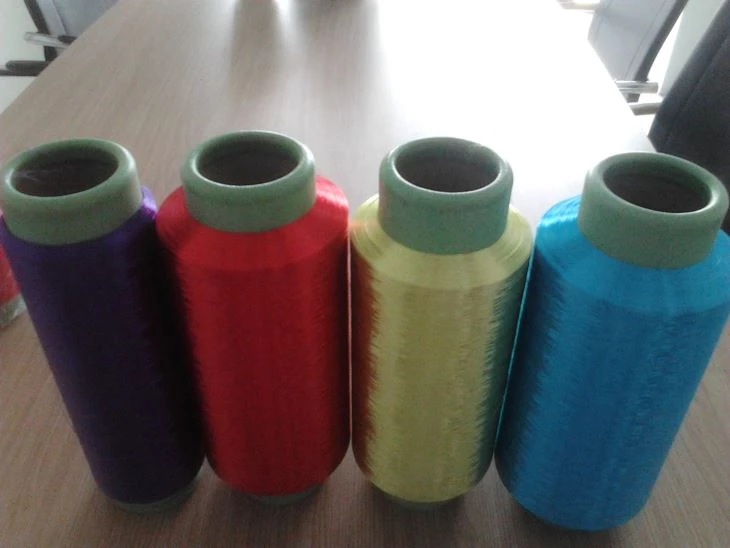
At our company, we offer a variety of dope dyed products that are suitable for artificial turf. For instance, we have Nylon Filament Dope Dyed Yarn 20D /12F,40D/12F/2PLY, 70D/24F/2PLY. These yarns are made with high - quality materials and are dyed using the dope dyeing process, ensuring excellent performance and colorfastness.
We also have Nylon6 Dope Dyed DTY AND FDY Yarn for socks, cloth, fabric and so on. Although it's mentioned for other applications, it can also be used effectively in artificial turf due to its durability and color properties.
Another great option is our DTY AND FDY polyamide Nylon56 Dope Dyed Yarn or PA 56 yarn. This yarn has unique properties that make it suitable for artificial turf, such as good abrasion resistance and high tensile strength.

Quality Control
We take quality control very seriously. Every batch of our dope dyed products goes through strict testing to ensure that it meets the highest standards. We test for colorfastness, strength, and other important properties. This means that when you choose our dope dyed products for your artificial turf, you can be confident that you're getting a high - quality and reliable product.
Installation and Maintenance
Using dope dyed products for artificial turf doesn't change the installation process significantly. The turf can be installed in the same way as traditional artificial turf. And when it comes to maintenance, the dope dyed turf is just as easy to maintain. You'll still need to do regular cleaning and brushing to keep it looking its best, but you won't have to worry about the color fading as quickly.
Case Studies
There are already many successful applications of dope dyed artificial turf. For example, a large sports complex installed dope dyed artificial turf on their soccer fields. After several years of use, the turf still looks as good as new, with no signs of significant color fading. This has saved the complex a lot of money on replacement costs and has also provided a great playing surface for the athletes.
Conclusion
In conclusion, dope dyed is an excellent choice for artificial turf. It offers better colorfastness, environmental benefits, cost - effectiveness in the long run, and customization options. If you're in the market for artificial turf, I highly recommend considering dope dyed products.
If you're interested in learning more about our dope dyed products for artificial turf or have any questions, feel free to reach out to us. We're here to help you make the best choice for your project. Whether you're a contractor, a sports facility manager, or a homeowner looking for a beautiful and durable lawn, we have the right dope dyed solution for you. Let's start a conversation and see how we can work together to bring your artificial turf project to life!
References
- Smith, J. (2020). "Advances in Artificial Turf Technology". Journal of Synthetic Materials, 15(2), 34 - 41.
- Johnson, M. (2019). "The Environmental Impact of Dyeing Processes in the Textile Industry". Environmental Science Review, 8(3), 56 - 63.
- Brown, T. (2021). "Colorfastness Testing of Artificial Turf Fibers". Textile Research Journal, 22(4), 78 - 85.