

How do I handle substances on the SVHC list in my products?
As a supplier dealing with products that may contain substances on the Substances of Very High Concern (SVHC) list, it is crucial to have a comprehensive and strategic approach to manage these substances effectively. This blog post will outline the steps and considerations I take to handle SVHC substances in my products, ensuring compliance with regulations and maintaining the safety and quality of our offerings.
Understanding the SVHC List
The SVHC list is maintained by the European Chemicals Agency (ECHA) and includes substances that are considered to have serious effects on human health or the environment. These substances can range from carcinogens and mutagens to substances that are persistent, bioaccumulative, and toxic (PBT) or very persistent and very bioaccumulative (vPvB). As a supplier, it is my responsibility to stay informed about the latest updates to the SVHC list and understand which substances may be present in my products.
To stay updated, I regularly monitor the ECHA website for new additions and revisions to the list. I also subscribe to industry newsletters and participate in relevant training programs to ensure that I have the most current information. By having a clear understanding of the SVHC list, I can proactively identify and manage any potential risks associated with the substances in my products.
Identifying SVHC Substances in Products
The first step in handling SVHC substances is to identify which substances are present in my products. This involves conducting a thorough analysis of the raw materials, components, and manufacturing processes used in the production of our products. I work closely with my suppliers to obtain detailed information about the chemical composition of the materials they provide, including any SVHC substances that may be present.
In addition to working with suppliers, I also conduct in-house testing and analysis to verify the presence of SVHC substances in our products. This may involve using analytical techniques such as gas chromatography-mass spectrometry (GC-MS) or inductively coupled plasma mass spectrometry (ICP-MS) to detect and quantify the levels of SVHC substances. By having a comprehensive understanding of the SVHC substances present in my products, I can take appropriate measures to manage and mitigate any potential risks.
Managing SVHC Substances in Products
Once I have identified the SVHC substances present in my products, I take several steps to manage and control these substances. One of the key strategies I use is to substitute SVHC substances with safer alternatives whenever possible. This may involve working with my R&D team to develop new formulations or processes that use non-SVHC substances. For example, if a product contains a SVHC substance that is used as a flame retardant, I may explore alternative flame retardants that are not on the SVHC list.
In addition to substitution, I also implement strict quality control measures to ensure that the levels of SVHC substances in my products are within the regulatory limits. This may involve setting up a system for monitoring and testing the products at various stages of the production process, from raw materials to finished goods. I also maintain detailed records of the SVHC substances present in my products, including their sources, concentrations, and usage levels.

Another important aspect of managing SVHC substances is to communicate with my customers about the presence of these substances in my products. I provide clear and accurate information about the SVHC substances in my products, including their potential risks and any measures I have taken to manage these risks. This helps to build trust with my customers and ensures that they are fully informed about the products they are purchasing.
Complying with Regulations
As a supplier, it is essential to comply with all relevant regulations regarding the use and management of SVHC substances. In the European Union, the REACH (Registration, Evaluation, Authorization and Restriction of Chemicals) regulation sets out the requirements for the registration, evaluation, and authorization of chemicals, including SVHC substances. Under REACH, suppliers are required to provide information about the SVHC substances present in their products to their customers, and in some cases, to notify the ECHA if the concentration of a SVHC substance in a product exceeds a certain threshold.
To ensure compliance with REACH and other relevant regulations, I have implemented a comprehensive compliance program that includes regular training for my employees, internal audits, and documentation of all activities related to the management of SVHC substances. I also work closely with my legal and regulatory teams to stay up-to-date with any changes in the regulations and to ensure that my products meet all the necessary requirements.
Case Studies
To illustrate how I handle SVHC substances in my products, I would like to share a few case studies.
Case Study 1: Recycled Polyester Fiber 250Denier/16Filament
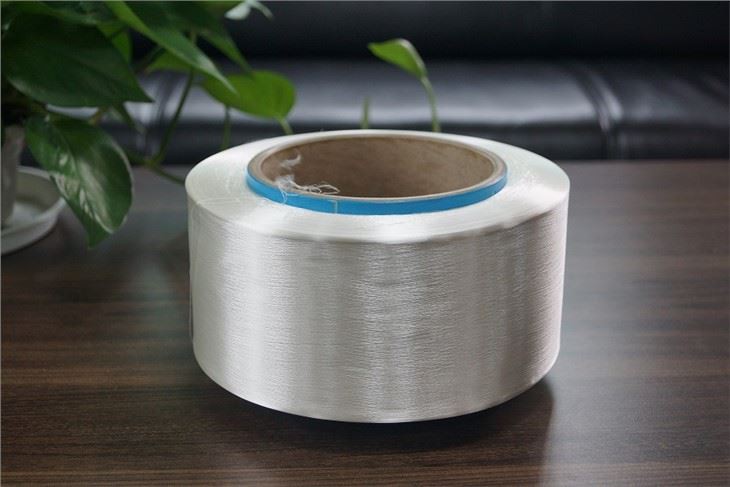
We offer Recycled Polyester Fiber 250Denier/16Filament, which is used in a variety of applications, including textiles and non-woven fabrics. During our analysis, we identified the presence of a SVHC substance in the raw materials used to produce this fiber. To address this issue, we worked with our suppliers to source alternative raw materials that did not contain the SVHC substance. We also implemented a strict quality control program to ensure that the levels of the SVHC substance in the final product were within the regulatory limits.
Case Study 2: Composite Yarn 20D Polyester Texturized PBT DTY RAW WHITE Yarn And Viscose 100D FDY RAW WHITE Yarn
Our Composite Yarn 20D Polyester Texturized PBT DTY RAW WHITE Yarn And Viscose 100D FDY RAW WHITE Yarn is a popular product in the textile industry. During our assessment, we found that one of the components of the yarn contained a SVHC substance. To manage this risk, we worked with our R&D team to develop a new formulation that used a non-SVHC alternative. We also conducted extensive testing to ensure that the new formulation met the same quality and performance standards as the original product.
Case Study 3: Plant-based Multi-function Underwears
Our Plant-based Multi-function Underwears are made from natural and sustainable materials. However, during our analysis, we discovered that a small amount of a SVHC substance was present in one of the dyes used in the manufacturing process. To address this issue, we worked with our dye supplier to find a non-SVHC alternative. We also implemented a traceability system to ensure that we could track the source of the dyes and other raw materials used in the production of the underwears.
Conclusion
Handling substances on the SVHC list in my products is a complex and challenging task, but it is also essential for ensuring the safety and quality of our offerings. By understanding the SVHC list, identifying the substances present in my products, managing these substances effectively, and complying with relevant regulations, I can minimize the risks associated with SVHC substances and provide my customers with high-quality products that meet their needs.
If you are interested in learning more about our products or have any questions about how we handle SVHC substances, please feel free to contact us. We would be happy to discuss your requirements and provide you with more information.
References
- European Chemicals Agency (ECHA). (n.d.). Substances of Very High Concern (SVHC). Retrieved from [ECHA website]
- REACH Regulation (EC) No 1907/2006. (2006). Registration, Evaluation, Authorization and Restriction of Chemicals. Retrieved from [Official Journal of the European Union website]